Unveiling the Hidden Science of Crystalline Kidney Stones Science

Unveiling the Hidden Science of Crystalline Kidney Stones

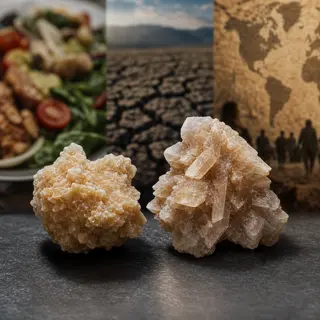
Whewellite gets a twin: the bizarre mineral weddellite forms exclusively in biological systems and is now revealing how kidney stones encode dietary history, climate stress, and even ancient human migrations.

Otoconia: Irreplaceable Ear Crystals Impact Health and Aging Science

Otoconia: Irreplaceable Ear Crystals Impact Health and Aging

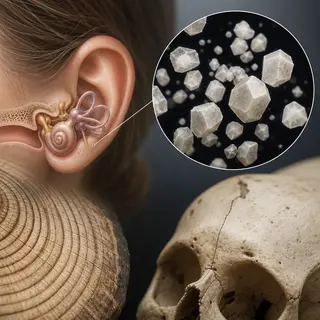
Otoconia — tiny calcium carbonate crystals inside the human inner ear — are among the body's most overlooked structures, yet they govern balance, reveal aging, and may hold forensic secrets comparable to tree rings.

From Galvani's Frog to Modern Bioelectric Medicine Science

From Galvani's Frog to Modern Bioelectric Medicine

How a series of accidental observations involving dead frogs, metal hooks, and atmospheric electricity in 18th-century Bologna fundamentally reshaped our understanding of life, nerve function, and eventually gave rise to modern electrophysiology, cardiac pacing, and neural implants.

Revolutionizing Methane Detection from Space: a New Era Science

Revolutionizing Methane Detection from Space: a New Era

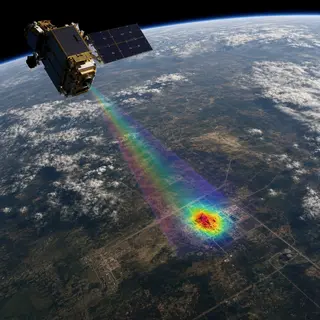
A new generation of orbital sensors can now pinpoint individual methane 'super-emitter' facilities from hundreds of kilometers above Earth, transforming how regulators and scientists track the invisible gas driving climate change.

Neuromelanin: The Brain's Unique Mineral Phenomenon Science

Neuromelanin: The Brain's Unique Mineral Phenomenon

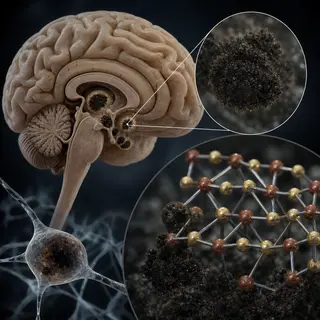
Neuromelanin, a dark pigment found exclusively in specific brain regions, has recently been revealed to mineralize into a distinct iron-sulfur compound with no known geological equivalent — raising profound questions about neurodegenerative disease and human evolution.

The Poison That Became the World's Most Useful Gas Science

The Poison That Became the World's Most Useful Gas

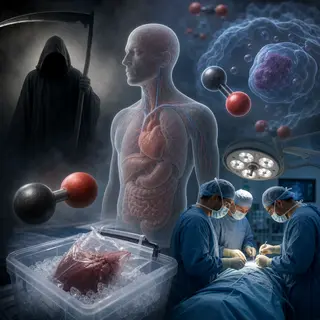
Carbon monoxide is one of history's most feared silent killers — yet it is also an endogenous signaling molecule produced by the human body, with emerging medical applications in surgery, organ preservation, and inflammation control.

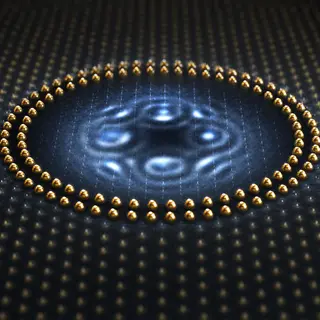
The Quantum Mirage: Atoms That Appear Where They Aren't Science

The Quantum Mirage: Atoms That Appear Where They Aren't

Inside ultracold quantum corrals, electrons project ghost images of atoms that don't physically exist — a phenomenon called the quantum mirage that may reshape future data storage and quantum computing.

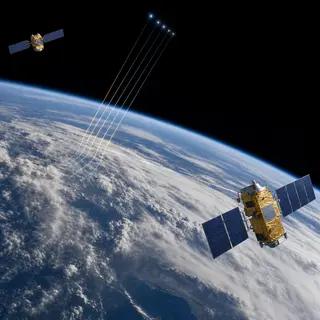
The Satellite Constellation Rewriting Weather Science Science

The Satellite Constellation Rewriting Weather Science

A new generation of radio occultation satellites is transforming atmospheric science by bending GPS signals through Earth's atmosphere to measure temperature, humidity, and pressure with unprecedented precision — revealing phenomena that conventional weather satellites cannot detect.

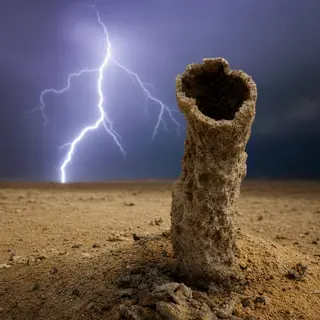
The Mineral That Forms Inside Lightning-Struck Sand Science

The Mineral That Forms Inside Lightning-Struck Sand

Fulgurites are hollow glass tubes fused by lightning strikes, but a lesser-known phenomenon occurs when the same discharge creates entirely new mineral phases never found in nature elsewhere — offering a window into plasma chemistry and ancient atmospheric electricity.

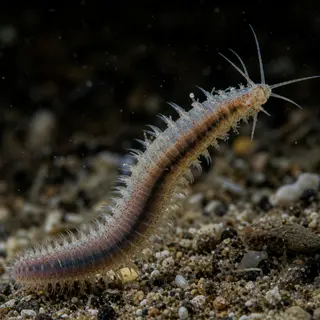
Ancient Worm Unlocks Secrets of Brain Evolution and Healing Science

Ancient Worm Unlocks Secrets of Brain Evolution and Healing

The marine worm Platynereis dumerilii can regenerate not just its body but restructure its entire nervous system after injury — offering a living window into the evolutionary origins of the vertebrate brain.

The Cosmic Origins and Vital Role of Iron in Human Life Science

The Cosmic Origins and Vital Role of Iron in Human Life

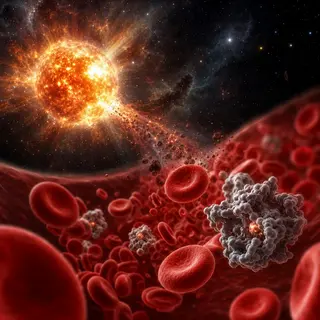
Every atom of iron in human blood was forged inside a dying star. This article explores the extraordinary astrophysical and biochemical chain linking stellar death to the hemoglobin molecule keeping you alive today.

Unveiling Silent Earthquakes: Slow Slip and Tremor Events Science

Unveiling Silent Earthquakes: Slow Slip and Tremor Events

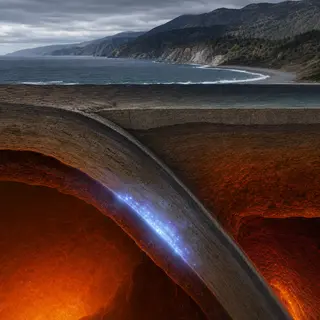
Deep beneath subduction zones, silent earthquakes release enormous energy over days, months, or years — invisible to humans but detectable by GPS, and potentially linked to catastrophic megaquakes above.

The Deadly Collision of Military Sonar and Marine Life Science

The Deadly Collision of Military Sonar and Marine Life

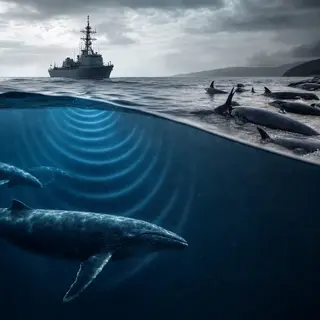
How military sonar causes mass cetacean strandings, and the surprising acoustic biology that explains why whales cannot escape it.

Electrosynthesis: Microbes That Eat Pure Electricity Science

Electrosynthesis: Microbes That Eat Pure Electricity

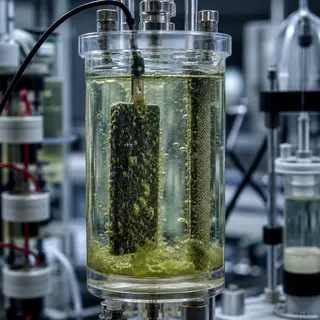
A growing class of microorganisms called electroautotrophs can feed directly on electrons from metal electrodes, bypassing photosynthesis and organic chemistry entirely — a discovery reshaping our understanding of life's energy limits and inspiring radical new biotechnologies.

From Weapons Research to Healing Frequencies in Medicine Science

From Weapons Research to Healing Frequencies in Medicine

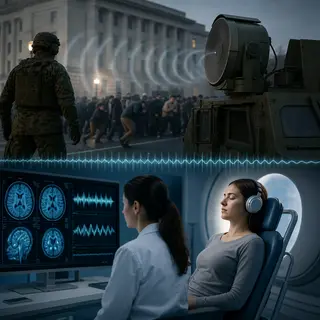
How military research into infrasonic crowd-control weapons inadvertently revealed that specific low-frequency sound waves could suppress nausea and motion sickness — and what that means for medicine today.

Ikaite: The Fragile Crystal Shaping Climate Science Science

Ikaite: The Fragile Crystal Shaping Climate Science

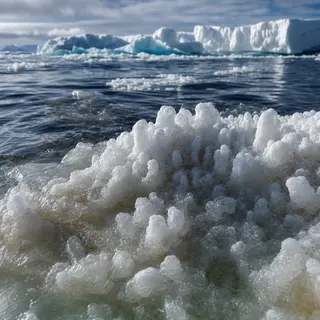
Ikaite, a rare hydrated calcium carbonate mineral that only forms in near-freezing water, is dissolving across polar regions as temperatures rise — and the chemical ghost it leaves behind is rewriting how scientists read ancient climate records.

Piezoelectricity: a Quiet Revolution in Physics and Tech Science

Piezoelectricity: a Quiet Revolution in Physics and Tech

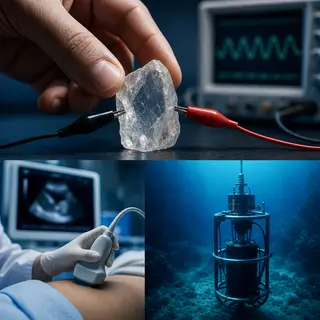
Piezoelectricity, the ability of certain crystals to generate electric charge under mechanical stress, underpins technologies from ultrasound machines to deep-sea sensors — and its origins trace back to a rivalry between two brothers and a stolen Nobel Prize.

Zircon: The Ancient Crystal Unlocking Planetary History Science

Zircon: The Ancient Crystal Unlocking Planetary History

Zircon crystals preserve a precise geochemical record of ancient seismic and volcanic events spanning billions of years, making them the most durable natural archives on Earth.

Prosopagnosia and Super-Recognition: Unseen Brain Variations Science

Prosopagnosia and Super-Recognition: Unseen Brain Variations

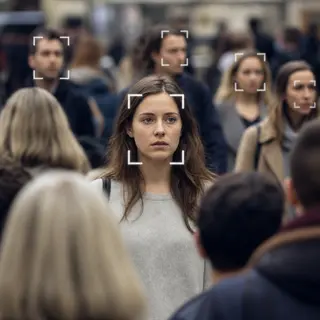
Prosopagnosia, the neurological condition that strips people of the ability to recognize faces, reveals how the brain separates identity into distinct processing streams — and is far more common than most people realize.

The Mathematician Who Invented a New Kind of Space Science

The Mathematician Who Invented a New Kind of Space

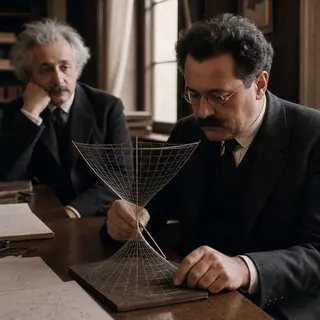
Hermann Minkowski's radical 1907 reformulation of Einstein's special relativity merged space and time into a single four-dimensional continuum — a geometric insight that Einstein himself initially dismissed but that became the indispensable foundation of modern physics.

The Mineral That Conducts Electricity Like a Metal Science

The Mineral That Conducts Electricity Like a Metal

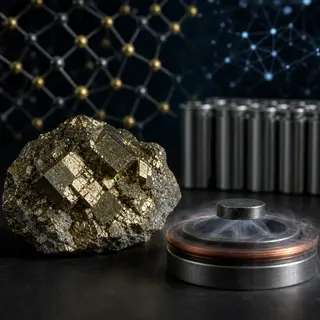
Pyrite, long dismissed as fool's gold, is revealing unexpected semiconducting and even superconducting properties that are reshaping materials science and the future of battery technology.

How Toxoplasma Influences Global Human Behavior and Culture Science

How Toxoplasma Influences Global Human Behavior and Culture

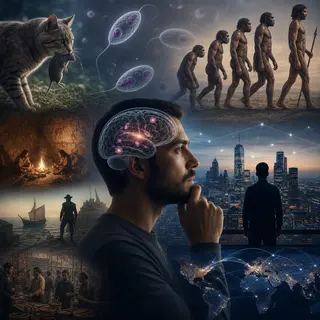
Toxoplasma gondii is well-known for influencing animal behavior, but emerging research suggests the parasite may have quietly shaped human cultural evolution, risk-taking economies, and even the geographic distribution of entrepreneurship across nations.

The Scent That Predicts Thunderstorms Before They Arrive Science

The Scent That Predicts Thunderstorms Before They Arrive

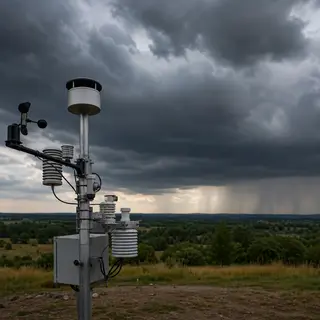
The sharp, electric smell before a thunderstorm has a precise chemical origin — and scientists are now using it to build atmospheric sensors that could save lives.

The Forgotten Physicist Who Proved Parity Is a Lie Science

The Forgotten Physicist Who Proved Parity Is a Lie

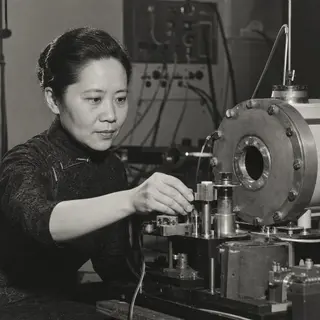
Chien-Shiung Wu's 1956 experiment shattered one of physics' most sacred assumptions — that nature has no left-right preference — yet she was excluded from the Nobel Prize awarded to the men whose theory she proved.