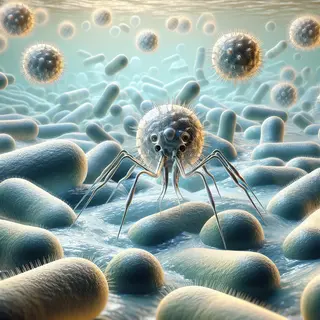

As antibiotic resistance reaches crisis levels, scientists are reviving a century-old Soviet-era treatment that uses viruses to hunt and destroy bacteria with surgical precision.
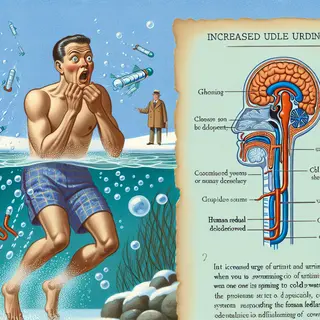
Have you ever noticed how you need to pee more when swimming in cold water? Well, there is actually a scientific reason for this!
Lemongrass can be used as a natural mosquito repellent.
A simple DIY trick for polishing minor scratches on eyeglasses using toothpaste
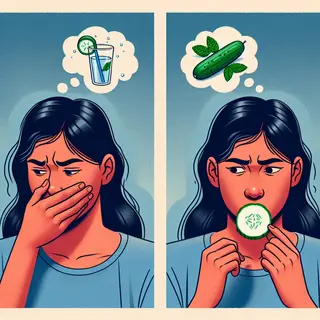
Using cucumber slices can help eliminate bad breath.
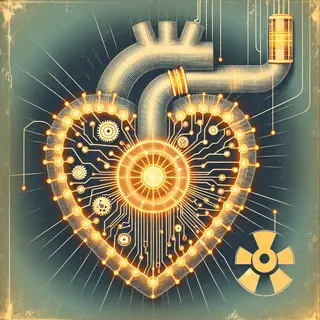
The earliest heart pacemakers had a radioactive twist: they were powered by plutonium.
The first artificial heart was named 'Jarvik-7' and was successfully transplanted in 1982.
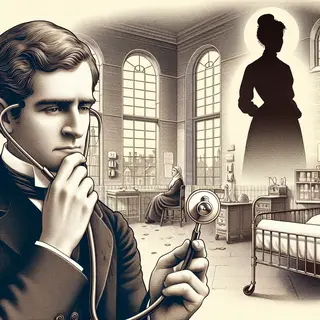
The stethoscope, one of the most commonly used medical devices today, was invented out of a need for modesty.
The first pacemakers were not implantable but rather were large, external devices that were carried around.
The concept of laser surgeries was initially inspired by the science fiction franchise, Star Wars.
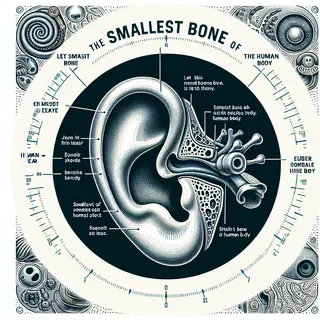
The smallest bone in the human body is found in your ear.
How bacteriophages — viruses that hunt and destroy bacteria — are being weaponized to combat antibiotic-resistant pathogens in municipal water systems and human bodies, and why this century-old science is suddenly the world's most urgent medical frontier.
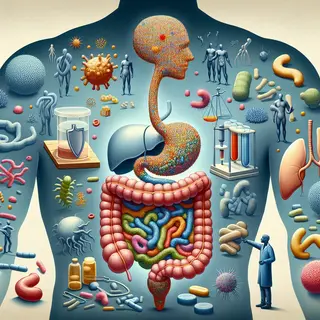
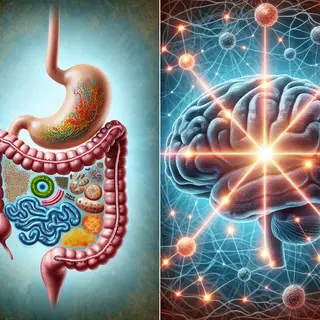
How the trillions of microbes living in the human gut are now being studied as key players in mental illness, autoimmune disease, and even aging — and how scientists are learning to manipulate them with startling precision.
How the trillions of microorganisms living in the human digestive tract are reshaping our understanding of immunity, mental health, and the future of personalized medicine.
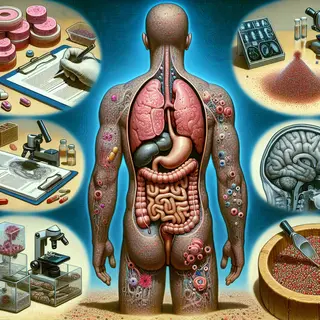
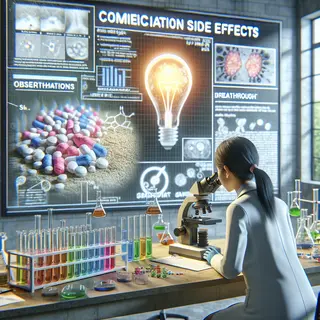
How a common medication side effect observation led to one of medicine's most important therapies
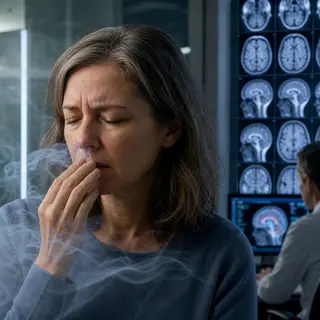
A harmless but terrifying sleep phenomenon where people hear imaginary loud noises just as they're falling asleep or waking up
How gut microbiome research is revolutionizing our understanding of neurodegenerative diseases and opening unexpected treatment pathways.
Fatal Familial Insomnia is an extremely rare prion disease that progressively destroys the ability to sleep, leading to hallucinations, autonomic failure, and inevitable death.
An exploration of how negative beliefs and expectations can cause real physical symptoms and worsen health outcomes.
How climate change is enabling fungal pathogens to adapt to mammalian body temperatures, creating new public health challenges
How treatment plants are becoming unintended breeding grounds for superbugs that threaten global health security
Recent research reveals how rising temperatures are impairing human cognition in unexpected ways, with implications for productivity, education, and global inequality.
Recent research reveals alarming evidence of nanoplastics crossing the placental barrier, raising concerns about fetal development and future health implications.
Exploring congenital amusia, a neurological condition affecting musical perception, and its surprising connections to language processing and social cognition.
No spam. Just strange, useful, and fascinating knowledge.
We only use your email for site updates.