The First Computer Glitch Was Caused by an Actual Insect
The term 'computer bug' originated when a moth interfered with the workings of an early computer.
Discover strange, surprising, and little-known facts from science, history, nature, and beyond.
 History
The term 'computer bug' originated when a moth interfered with the workings of an early computer.
 History
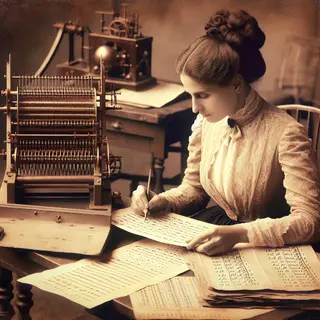
Ada Lovelace, in the 19th century, is recognized as the first computer programmer worldwide
 History
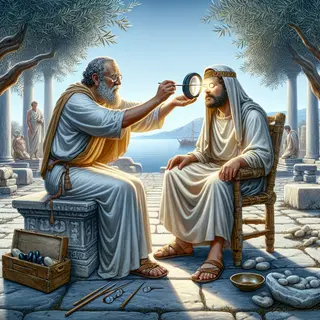
The first form of laser vision correction took place not in the 21st century, but in Greece, during the Roman Empire.
 History
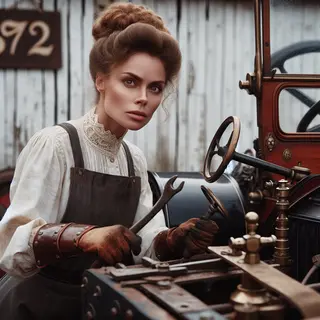
The first woman auto mechanic, Emily Post, was born in 1872.
 History
For centuries, Europeans drank water from certain sacred springs believing in miraculous healing. Some of those springs were genuinely radioactive — and the 'cures' they caused may have had a real, if accidental, biological mechanism.
 History
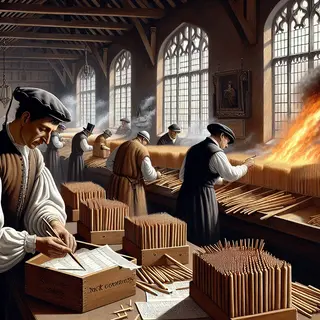
For over 700 years, the English government kept its financial records not on paper or parchment, but on notched sticks — and their destruction accidentally burned down Parliament.
 History
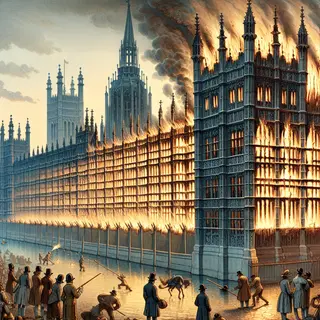
For over 700 years, England's royal treasury ran almost entirely on notched wooden sticks — and their destruction in 1834 accidentally burned down Parliament.
 History
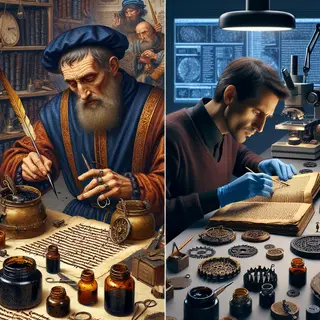
For centuries, European scribes used iron gall ink that slowly eats through the very parchment it was written on — and modern conservators are now racing to save documents that are literally dissolving themselves from the inside out.
 History
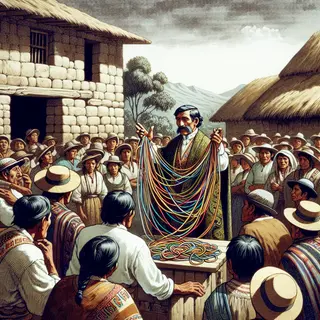
The Inca Empire ran a civilization of millions without a single written word — using knotted strings called quipus to record taxes, census data, and possibly entire narratives.
 History
In the 9th century, a pope exhumed his predecessor's corpse to put it on trial for alleged crimes
 History
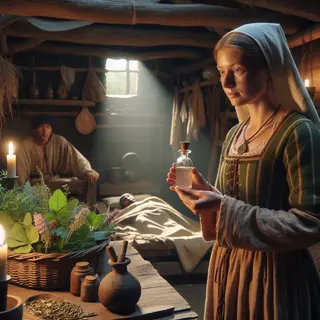
How Hungary Water, Europe's first alcohol-based perfume, unexpectedly became a crucial medical treatment during the Black Death pandemic
 History
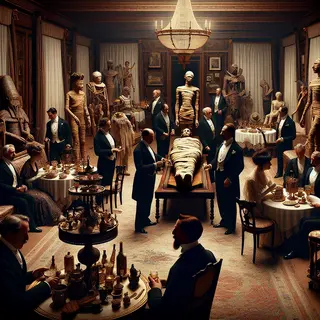
How Victorian elites turned Egyptian mummy unwrappings into fashionable social events complete with souvenirs and refreshments
 History
How one chemist inadvertently became history's most environmentally destructive individual through two seemingly brilliant inventions.
 History
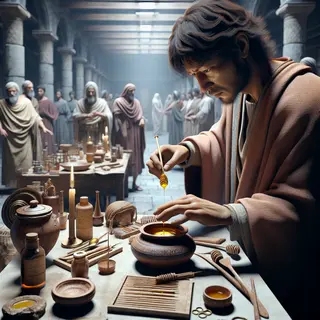
How ancient Greeks used honey to solve murders and identify poisoning cases millennia before modern forensic toxicology
 History
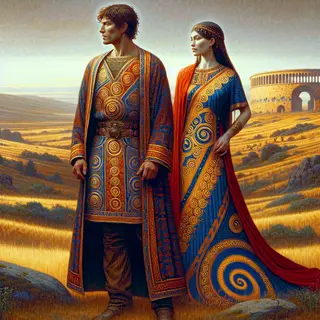
Bodies preserved in peat bogs reveal Bronze Age Europeans wore sophisticated, colorful clothing with complex patterns—not the drab, primitive garments depicted in popular culture.
 History
How a rumor about toilet paper shortages triggered nationwide panic buying and social unrest in Japan, revealing deep anxieties in a rapidly modernizing society.
 History
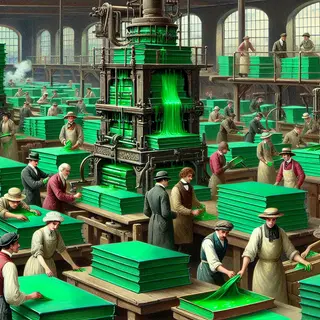
In the 1800s, Victorian-era book manufacturers created arsenic-laden 'Scheele's Green' books that could poison readers through skin contact.
 History
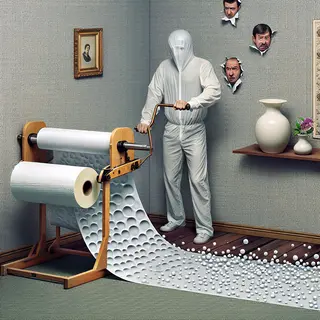
How a failed attempt at creating textured wallpaper led to one of the world's most ubiquitous packing materials
 History
How spontaneous Christmas celebrations briefly halted World War I and created an extraordinary moment of humanity amid unprecedented carnage.
 History
How Christmas caroling evolved from a form of aggressive begging that sometimes included threats against wealthy households.
 History
How a mysterious disease ravaged the Roman Empire in the 2nd century CE, killed millions, and potentially altered the course of Western civilization.
 History
How a fungus on rye bread caused hallucinations, gangrene, and mass hysteria throughout medieval Europe, potentially influencing witch trials and religious movements.
 History
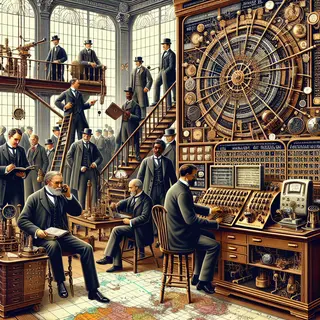
How specialized commercial code books revolutionized global business communication in the 19th century, creating the first encrypted digital economy.
 History
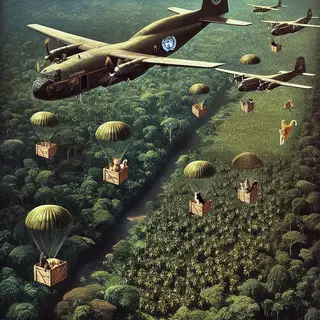
The strange but true story of how the World Health Organization airdropped cats into Borneo to combat an ecological disaster in the 1950s.
No spam. Just strange, useful, and fascinating knowledge.
We only use your email for site updates.
 YouTube
 Rumble