The Secret Language of Trees: Communication in Forests
Scientific studies have found that trees in a forest can 'talk' to each other through a network of latticed fungi buried in the soil. This process is known as 'Wood Wide Web'.

Discover strange, surprising, and little-known facts from science, history, nature, and beyond.

How a century-old industrial incendiary reaction is now being repurposed to date ancient iron artifacts and rewrite the timeline of early metallurgy.
Read Article →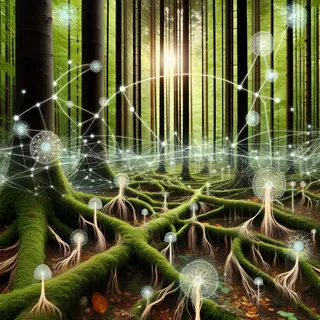 Nature
Scientific studies have found that trees in a forest can 'talk' to each other through a network of latticed fungi buried in the soil. This process is known as 'Wood Wide Web'.
 Mysteries
Sea water is generally perceived as being blue, but did you know that in some parts of the world the sea appears to be purple? This is particularly notable in the oceans surrounding Antarctica.
 Society
A tribe in North Sentinel Island, which belongs to the Andaman Islands of India, has remained isolated from the rest of the world for thousands of years. They are among the last tribes to resist contact with the outside world.
 Science
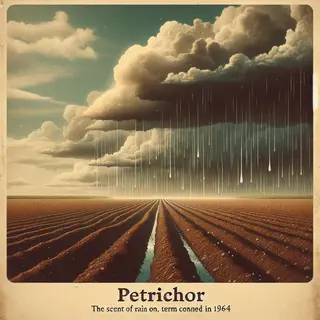
The scent produced when rain falls on dry soil is known as Petrichor. This term was coined in the year 1964.
 Science
The phenomenon where consumers tend to have a change in preference between two options when a third, asymmetrically dominated option is presented, is known as the Decoy Effect.
 History
Archaeologists discovered a tiny object from 10,000 years ago on a UK excavation site that turned out to be world's the oldest known crayon.
 Mysteries
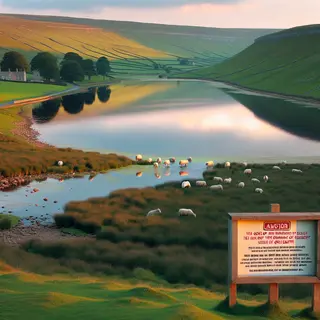
A seemingly harmless stretch of water in Yorkshire, England is one of the deadliest bodies of water on earth.
 Animals
Termites build their mounds with an uncanny similarity to human skyscrapers, raising questions about their engineering expertise.
 Nature
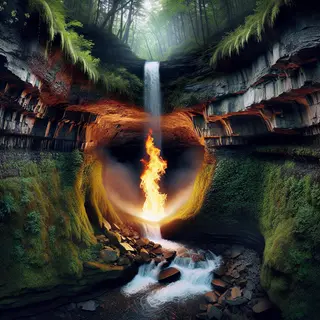
A small grotto at the waterfall's base emits natural gas, which can be lit to produce a flame, thus named 'Eternal Flame Falls.' This flame is visible nearly year round, though it can be extinguished and must occasionally be re-lit.
 Animals
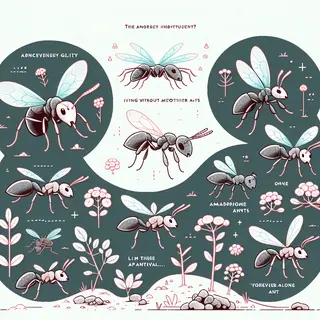
Cephalotes are a special type of soldier ant known for their extraordinary ability to glide, earning them the name 'gliding ants'. However, what's most interesting is there is a specific variety termed as 'the forever alone ant' that lives its entire life without meeting another member of its species.
 Animals
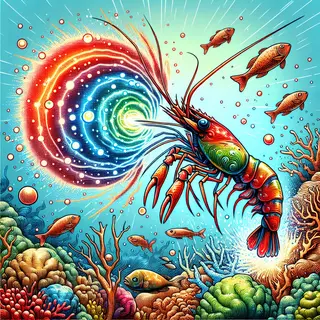
Pistol shrimp, a species of marine crustacean, can create shockwaves that are powerful enough to kill small fish.
 Geography
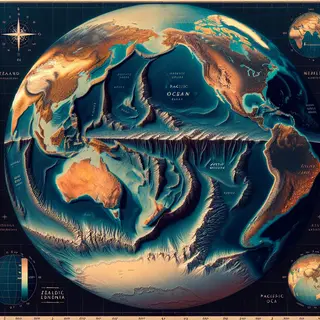
Zealandia is an almost entirely submerged continental mass, believed to be the Earth's eighth continent.
 Science
Water can remain a liquid below its freezing point in a state known as 'supercooling'.
 Animals
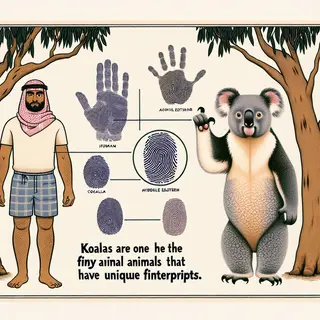
Koalas are one of the few animals besides humans that have unique fingerprints.
 Animals
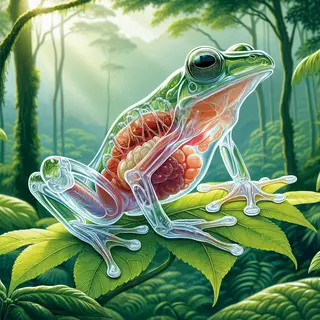
Glass frogs are unique amphibians with translucent skin that allows you to see their internal organs.
 Animals
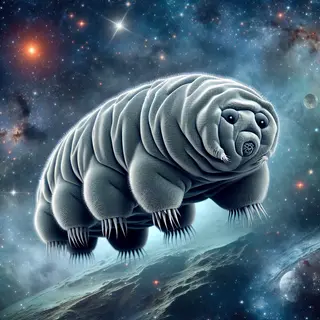
Tardigrades, also known as 'water bears' or 'moss piglets', are eight-legged micro-animals that can survive extreme environments including space.
 Food
FoodDuring the Revolutionary War, a culinary concoction known as Pepper Pot soup played a key role in boosting the morale of George Washington's starving and freezing troops.
 Space
SpaceDid you know? The universe has a background hum, and this is not widely known.
 Engineering
Laminated glass, widely used in windshields to prevent shattering, was accidentally discovered by French artist and chemist Edouard Benedictus.
 Animals
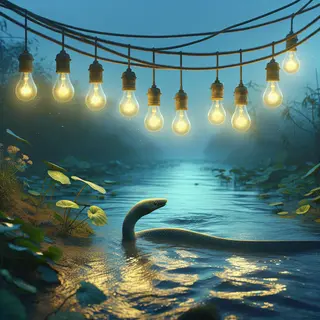
Electric eels can emit a charge strong enough to light up 10 electric bulbs.
 Mysteries
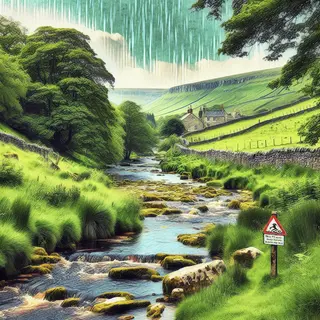
A picturesque, shallow-looking stream in Yorkshire, England, is actually one of the most dangerous bodies of water in the world.
 Food
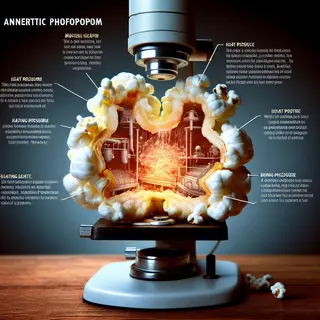
FoodPopcorn kernels have a built-in 'explosion' mechanism that enables them to pop under heat.
 Animals
Tardigrades, often known as 'water bears,' are microscopic creatures known for their colossal resilience and survival abilities in extremely harsh conditions.
 Nature
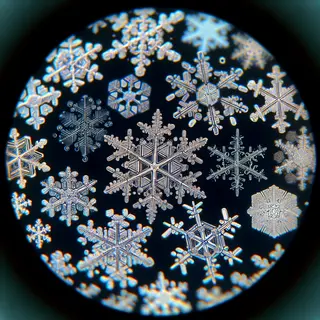
Snowflakes, when observed under a microscope, exhibit unique and intricate designs.
Many of our articles come with a video companion. Sit back and explore.


No spam. Just strange, useful, and fascinating knowledge.
We only use your email for site updates.