
Evergreen Strawberries: The Perpetual Fruit Generators
Day-Neutral or Everbearing strawberries, unlike their summer-producing counterparts, can bear fruit virtually year-round in mild climates.
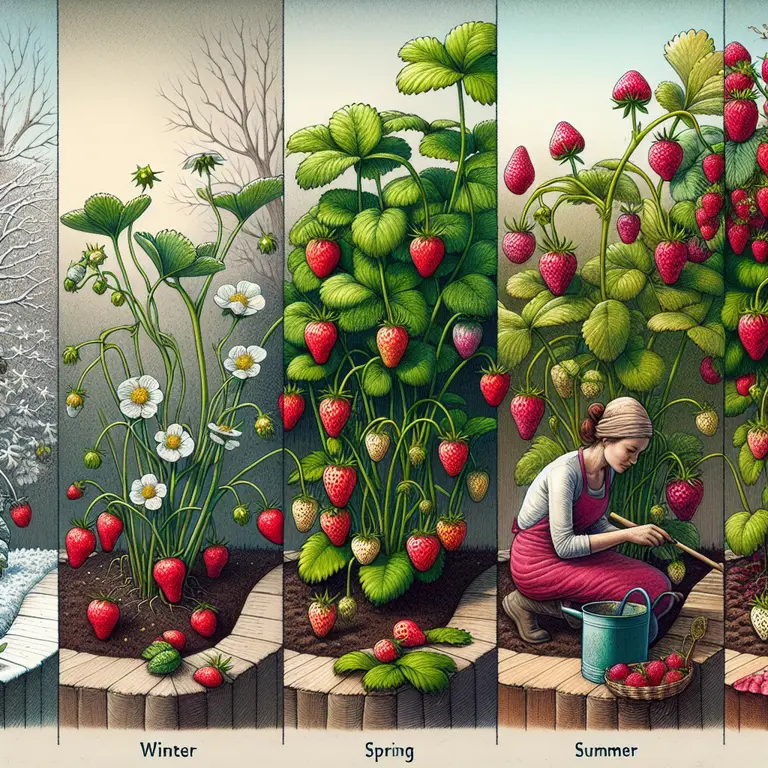
The Year-Round Strawberry: Understanding Day-Neutral and Everbearing Varieties
Strawberries are one of the most universally beloved fruits on the planet, conjuring images of summer picnics, garden patches in full bloom, and the unmistakable scent of warm, ripe berries freshly picked from the vine. For most people, strawberries are a seasonal indulgence, arriving in late spring or early summer and disappearing just as quickly as they came. This fleeting nature is part of what makes them feel special. However, a lesser-known group of strawberry plants quietly defies this seasonal limitation entirely. Day-neutral and everbearing strawberries are capable of producing fruit across a remarkably extended growing window, and in the right conditions, they can offer harvests that stretch from late spring all the way through autumn, or even year-round when cultivated indoors. Understanding what makes these plants so biologically distinct from their conventional counterparts reveals a fascinating intersection of plant physiology, agricultural science, and practical horticulture.
What Makes a Strawberry Day-Neutral
To appreciate what sets day-neutral strawberries apart, it helps to understand what the term actually refers to at a physiological level. Most flowering plants are sensitive to photoperiodism, which is the biological response to the length of daylight and darkness within a 24-hour cycle. This sensitivity governs when a plant transitions from vegetative growth into reproductive mode, meaning when it begins to flower and eventually fruit. Many standard strawberry varieties are what botanists call short-day plants, meaning they require a certain number of hours of darkness to trigger flower bud formation. When autumn arrives and nights grow longer, these plants receive the signal they need to begin preparing for the next growing season.
Day-neutral plants, by contrast, have evolved or been selectively bred to be largely indifferent to day length. Their flowering and fruiting cycles are not governed by the light-to-dark ratio but are primarily regulated by temperature. As long as temperatures remain within an appropriate range, roughly between 35 and 85 degrees Fahrenheit (2 to 30 degrees Celsius), day-neutral strawberries will continue to initiate flower buds and set fruit in a nearly continuous cycle. This makes them fundamentally different from their photoperiod-sensitive relatives, not just in behavior but in the underlying mechanisms that control their growth. The term everbearing is sometimes used interchangeably with day-neutral, though technically the two categories are subtly distinct. True everbearing varieties produce two distinct flushes of fruit per year, one in spring and one in fall, while day-neutral varieties produce more continuously throughout the season. In common usage, however, both terms are often applied to any strawberry that fruits outside the traditional single summer harvest window.
Comparing Day-Neutral Varieties to June-Bearing Strawberries
The most widely grown commercial and home garden strawberries belong to the June-bearing category, named for the time of year when their fruit typically ripens in temperate climates. These plants form their flower buds in the shortening days of late summer and early autumn, then enter a period of dormancy through winter before resuming growth in spring. The result is a concentrated, abundant harvest that typically lasts only a few weeks. For commercial growers, this concentrated fruiting window is often an advantage, allowing for efficient harvesting and processing. For home gardeners, however, it can mean a brief period of abundance followed by months without fresh fruit from the garden.
Day-neutral varieties fundamentally change this dynamic. Because they are not waiting for a seasonal light cue to begin flowering, they can produce fruit from as early as late spring and continue producing through the first hard frosts of autumn. In mild coastal climates or in greenhouse settings, this window can extend even further. The trade-off is that the individual harvests from day-neutral plants tend to be smaller and more spread out than the concentrated flush of a June-bearing variety. Gardeners accustomed to picking large quantities of strawberries in a single weekend may find the day-neutral approach requires a shift in expectations, but those who prefer a steady, manageable supply of fresh fruit throughout the growing season often find it far more satisfying in practice.
Notable Varieties and Their Distinct Characteristics
Within the day-neutral category, several varieties have earned particular recognition among growers for their flavor, disease resistance, and adaptability to different growing conditions. Seascape is a variety developed in California and well-suited to mild coastal climates. It produces large, firm berries with a consistently sweet flavor and has demonstrated good resistance to several common strawberry diseases, making it a practical choice for gardeners who want reliability alongside quality.
Tribute and Tristar are two varieties developed through a cooperative breeding program between the United States Department of Agriculture and several state agricultural universities during the 1980s. Both were specifically bred for their day-neutral characteristics and have become foundational varieties in the category. Tristar tends to produce smaller berries with an intensely sweet flavor, while Tribute offers slightly larger fruit with good firmness and a flavor profile that balances sweetness with a mild tartness. Both varieties have proven adaptable across a wide range of climates and remain popular with home gardeners decades after their introduction.
Albion is perhaps the most celebrated day-neutral variety in contemporary horticulture. Developed at the University of California, Davis, Albion is widely praised for its exceptional sweetness and firm texture, which allow it to hold up well for both fresh eating and brief storage. Its berries are notably large and visually striking, with deep red flesh throughout rather than the white interior common in some other varieties. Albion has also shown good resistance to Verticillium wilt and crown rot, two diseases that can devastate strawberry plantings. For growers seeking a premium eating experience alongside practical disease resistance, Albion has become something of a gold standard within the day-neutral category.
Cultivation Requirements and Practical Considerations
Growing day-neutral strawberries successfully requires a somewhat greater investment of attention than growing their June-bearing counterparts, and understanding these requirements before planting can make the difference between a thriving patch and a frustrating one. Because these plants produce flowers and fruit almost continuously rather than in a single burst, they place sustained demands on soil nutrients throughout the growing season. Monthly fertilization with a balanced fertilizer is generally recommended, though some growers prefer a slightly higher-potassium formulation during peak fruiting periods to support fruit development and flavor.
Watering consistency is equally important. Day-neutral strawberries are particularly sensitive to irregular moisture, and fluctuations between wet and dry conditions can lead to problems including misshapen fruit, blossom drop, and increased susceptibility to fungal diseases. Drip irrigation systems are often recommended for this reason, as they deliver water directly to the root zone with minimal fluctuation. Mulching around the plants with straw or a similar material helps retain soil moisture, regulate soil temperature, and suppress weed competition, all of which contribute meaningfully to plant health and fruit quality.
Because day-neutral varieties do not require a period of winter dormancy to trigger flowering, they are also well suited to container growing and indoor cultivation. Gardeners in colder climates who might otherwise lose their strawberry season to an early frost can extend their harvest significantly by moving potted plants indoors or into a greenhouse as temperatures drop. Under grow lights and with appropriate temperature management, some growers have achieved year-round production from day-neutral varieties, turning what was once a seasonal indulgence into a genuinely continuous supply.
Conclusion
Day-neutral and everbearing strawberries represent one of the more quietly remarkable achievements in modern plant breeding, transforming a fruit most people associate exclusively with a brief summer window into something that can grace a garden or kitchen counter throughout an extended, sometimes uninterrupted, growing season. Their biological independence from day-length cues, their adaptability to containers and indoor environments, and the diversity of available varieties with distinct flavor and resilience profiles make them an exceptionally rewarding choice for home growers willing to invest the consistent care they require. For anyone who has ever lamented the end of strawberry season, these plants offer a compelling and delicious alternative to simply waiting for summer to come around again.