The Surprising Accidental Invention Story of Superglue
Superglue, or Cyanoacrylate, was discovered accidentally and not once but twice.
Discover strange, surprising, and little-known facts from science, history, nature, and beyond.
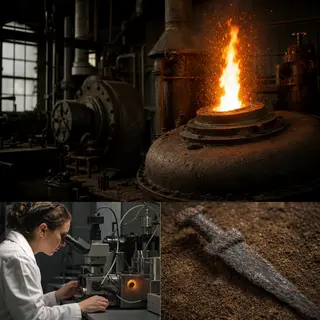
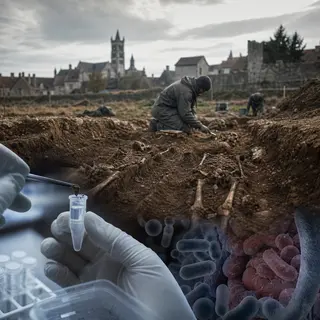
How a century-old industrial incendiary reaction is now being repurposed to date ancient iron artifacts and rewrite the timeline of early metallurgy.
Read Article →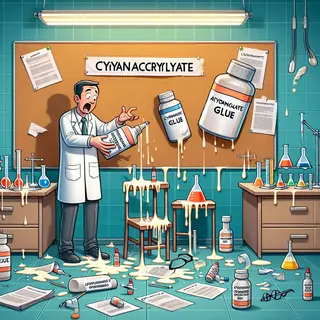 Science
Superglue, or Cyanoacrylate, was discovered accidentally and not once but twice.
 History
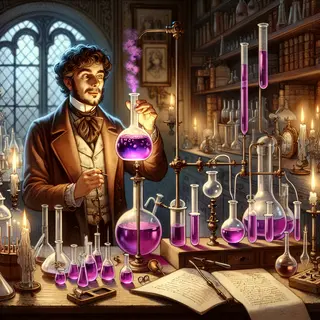
The creation of synthetic purple dye, often known as 'Mauveine,' was a happy accident by Sir William Henry Perkin in 1856.
 Nature
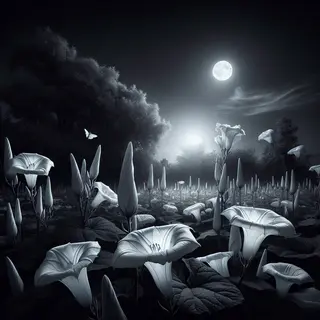
While most plants bloom during the daytime, the Moonflower plant (ipomoea alba) opens its blossoms only at night.
 Science
The Mpemba effect is a process where hot water can freeze faster than cold. It's named after a Tanzanian student who sought to explain this phenomenon.
 Animals
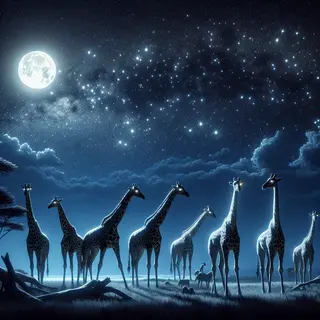
Contrary to popular belief that giraffes are silent creatures, research has revealed that these towering animals actually hum – but only at night.
 Animals
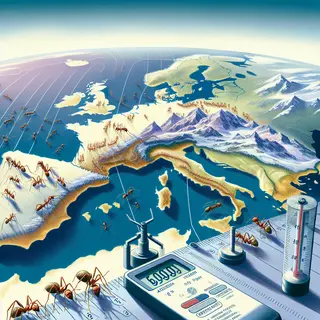
In 2009, scientists discovered an Argentine ant supercolony in Europe that stretched over 6,000 kilometers.
 Science
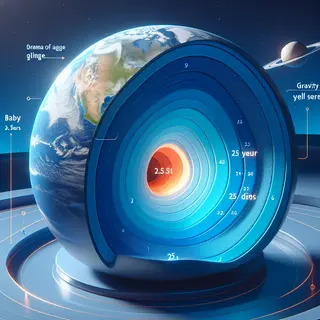
Due to the effects of gravity as described by General Theory of Relativity, the core of Earth is actually approximately 2.5 years younger than its surface.
 Food
FoodDirty tomatoes, when refrigerated, can live for an indefinite period; it's due to the naturally occurring compound called Lycopene.
 History
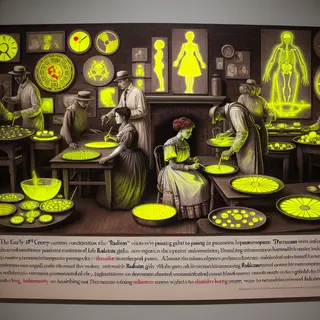
In the early 20th century, radium was used in paint to make objects glow in the dark. This deadly practice led to a tragic health crisis among workers known as the 'Radium Girls.'
 History
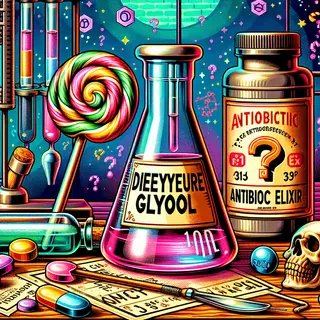
Diethylene glycol, a sweet-tasting solvent, was once used as an alternative to glycerin in an antibiotic elixir leading to mass poisoning and many deaths.
 Engineering
There are rideable melodies manifested in 'musical' or 'singing' roads around the world.
 Health
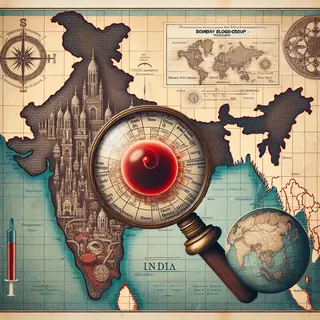
The Bombay blood group, also known as the h/h blood group, is an extremely rare blood type. It was first discovered in Mumbai (then called Bombay), India.
 Science
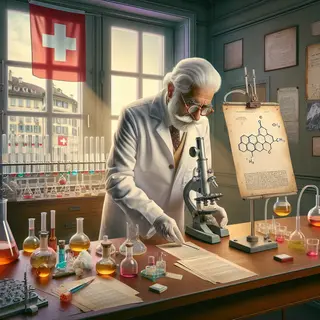
LSD, a powerful hallucinogenic drug, was discovered accidentally by chemist Albert Hofmann at the Sandoz Laboratories in Basel, Switzerland.
 History
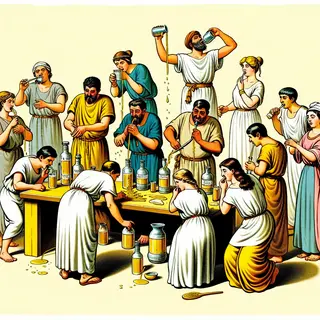
Urine, particularly human urine, was used by the Romans as mouthwash and toothpaste, integral to their hygiene routine, to whiten their teeth.
 Science
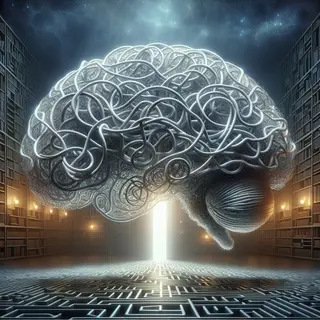
A psychological phenomenon that limits a person's ability to solve problems or think differently due to their initial approch, thought, or perception.
 Animals
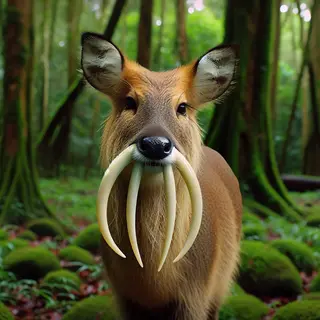
The Chinese water deer is distinctive due to the tusks or elongated canine teeth, that are more reminiscent of a saber-toothed cat than a deer.
 Animals
The strength of a spider web is comparable to steel.
 Science
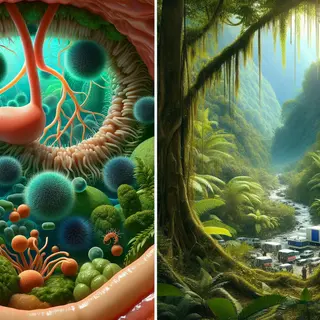
Every human's belly button harbors a unique ecosystem of bacteria, much like a rainforest.
 Arts
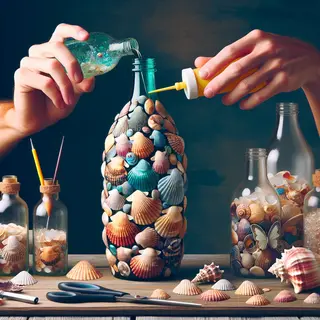
ArtsA unique DIY trick is to create a decorative vase using seashells. This method re-purposes old glass bottles and surplus shells.
 Science
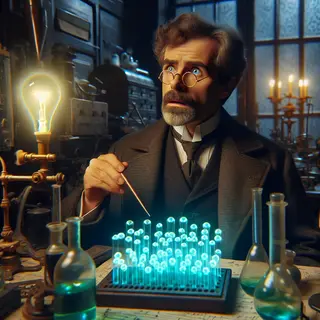
Radioactivity was discovered accidentally by French physicist Henri Becquerel while experimenting with phosphorescent materials.
 Animals
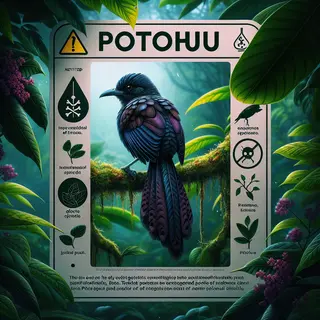
The Hooded Pitohui, a bird from New Guinea, is one of the only known species of birds in the world that are poisonous.
 Science
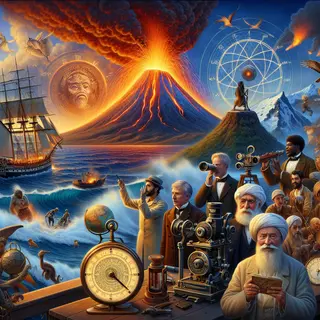
The eruption of Krakatoa provided scientists with a unique way to measure the speed of light.
 Nature
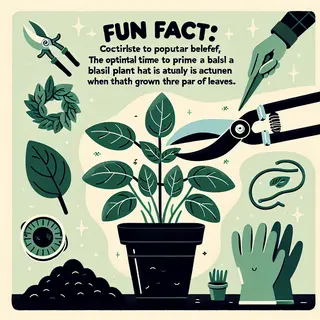
Contrary to popular belief, the optimal time to prune a basil plant is when it has grown three pairs of leaves.
 Animals
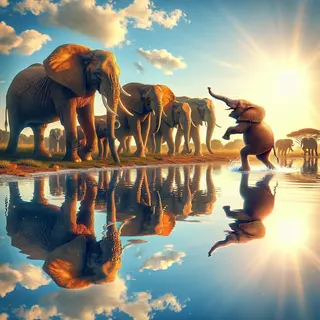
Elephants are one of the few animals besides humans that show a behavior called mirror self-recognition (MSR), demonstrating a level of self-awareness comparable to some primates and dolphins.
Many of our articles come with a video companion. Sit back and explore.

No spam. Just strange, useful, and fascinating knowledge.
We only use your email for site updates.