Saccharin: The Accidental Discovery of the First Sweetener
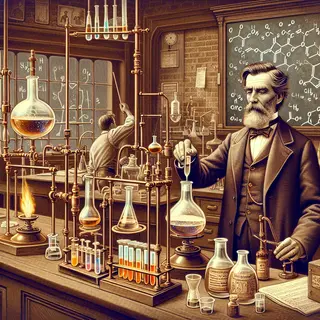
Saccharin, the first artificial sweetener, was discovered accidentally by a chemist named Constantin Fahlberg in 1879.
Discover strange, surprising, and little-known facts from science, history, nature, and beyond.
 Science
Saccharin, the first artificial sweetener, was discovered accidentally by a chemist named Constantin Fahlberg in 1879.
 Science
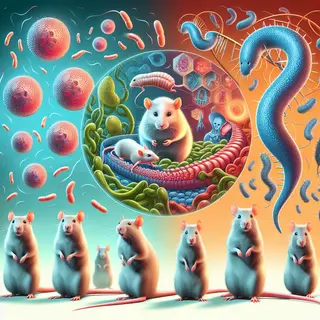
Toxoplasma gondii is a parasite that alters the behavior of rats in order to increase its own chance of survival.
 Science
Researchers genetically modified cats to glow under UV light and resist FIV, advancing disease resistance studies and offering insights for combating human AIDS.
 Science
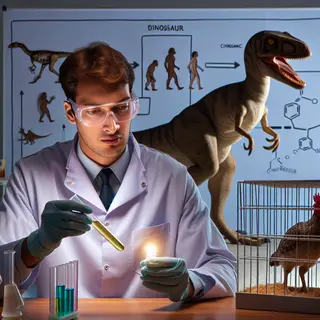
Jack Horner's 'Chickenosaurus' aims to revive dinosaur traits in birds by manipulating chicken genes, highlighting birds' evolutionary link to theropod dinosaurs.
 Science
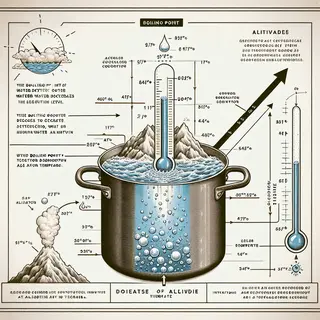
Water's boiling point varies with atmospheric pressure, lowering at higher altitudes. On Mount Everest, it boils at 68°C due to reduced pressure.
 Science
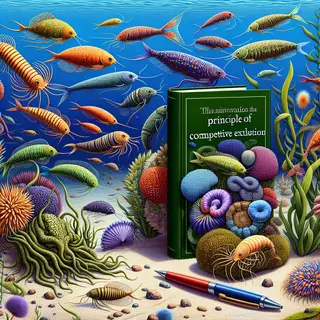
"The Paradox of the Plankton" explores how diverse plankton species coexist in the same environment despite competing for identical resources, challenging traditional ecological theories.
 Science
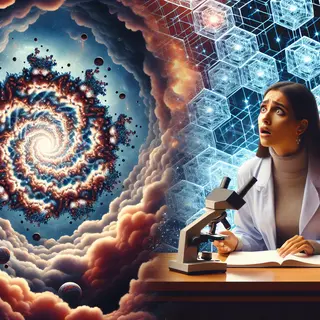
Quasicrystals are structures that are ordered but not periodic. They formed in nature about 4.5 billion years ago, even though they were considered impossible until the 1980s.
 Science
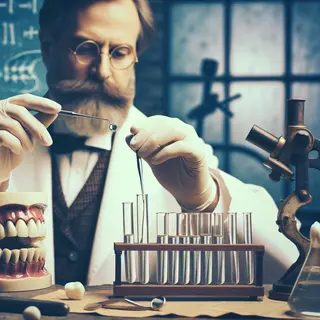
In the early 1900s, Alfred Einhorn's quest for a safer analgesic led to the accidental discovery of Novocaine, a revolutionary local anesthetic with few side effects.
 Science
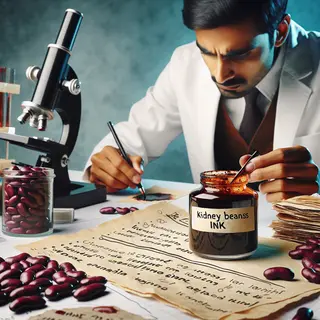
Pravin Parmar's eco-friendly "Rajma Ink," derived from boiling kidney beans, offers a sustainable, chemical-free alternative for printing, writing, and painting.
 Science
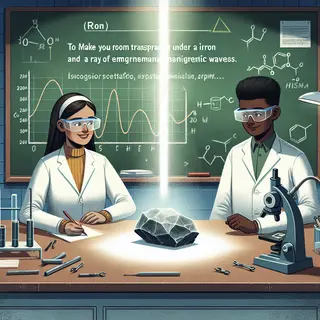
Scientists made iron transparent to high-frequency electromagnetic waves using a gold metasurface, with potential applications in optics, telecommunications, and cloaking.
 Science
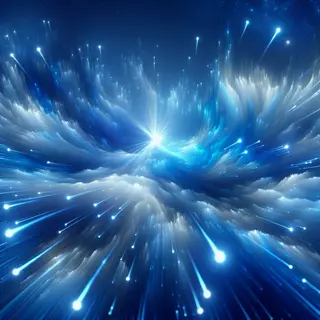
A rare and lesser-known phenomenon occurring in our vision system, where quick, bright flashes appear to dart around when looking at a blue light or a clear blue sky.
 Science
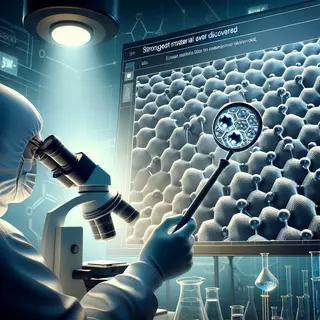
Graphene, a form of carbon that's one atom thick, is the strongest material ever discovered.
 Science
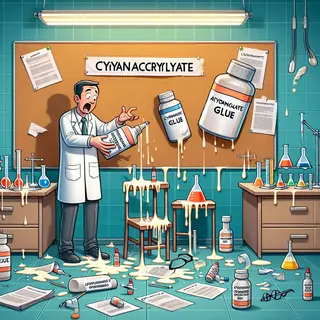
Superglue, or Cyanoacrylate, was discovered accidentally and not once but twice.
 Science
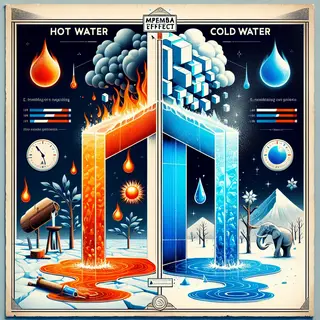
The Mpemba effect is a process where hot water can freeze faster than cold. It's named after a Tanzanian student who sought to explain this phenomenon.
 Science
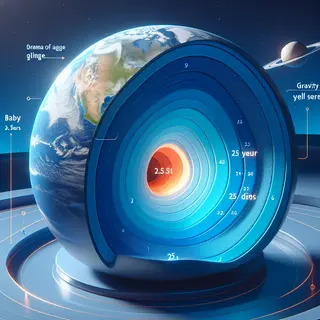
Due to the effects of gravity as described by General Theory of Relativity, the core of Earth is actually approximately 2.5 years younger than its surface.
 Science
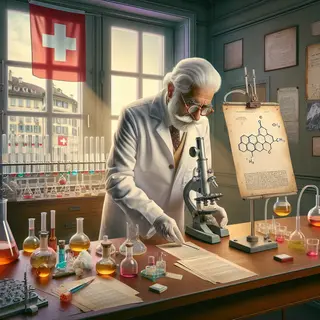
LSD, a powerful hallucinogenic drug, was discovered accidentally by chemist Albert Hofmann at the Sandoz Laboratories in Basel, Switzerland.
 Science
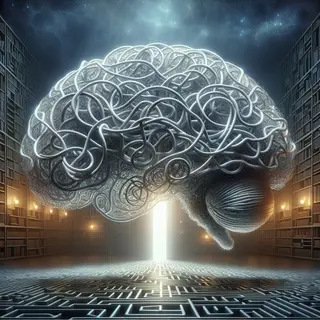
A psychological phenomenon that limits a person's ability to solve problems or think differently due to their initial approch, thought, or perception.
 Science
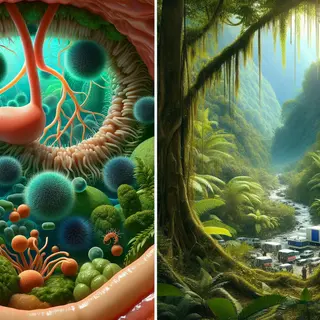
Every human's belly button harbors a unique ecosystem of bacteria, much like a rainforest.
 Science
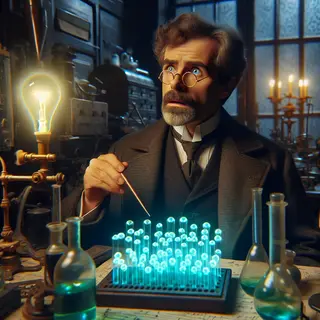
Radioactivity was discovered accidentally by French physicist Henri Becquerel while experimenting with phosphorescent materials.
 Science
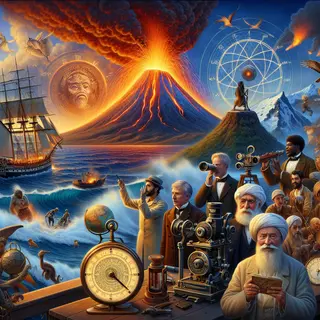
The eruption of Krakatoa provided scientists with a unique way to measure the speed of light.
 Science
In human vision, specific pairs of complementary colors cannot be seen together; they're called 'forbidden colors.' However, due to a scientific anomaly, some people have reported being able to perceive these.
 Science
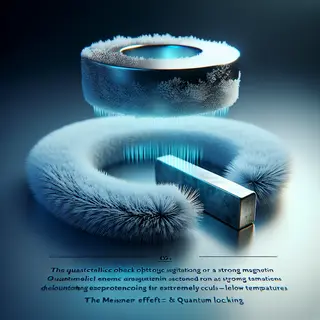
Quantum levitation, also known as quantum trapping, allows particular objects, when cooled at extremely low temperatures, to levitate against a magnetic field due to a phenomenon described by the Meissner effect and quantum locking.
 Science
In 1851, Jean Bernard Leon Foucault, a French physicist, experimentally demonstrated the rotation of the Earth through his pendulum, which became known as Foucault’s pendulum.
 Science
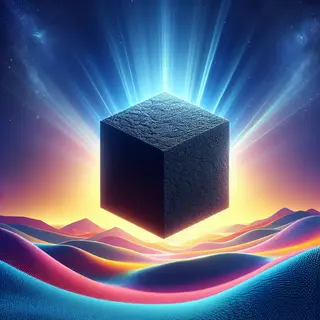
Vantablack is the darkest material on earth, absorbing 99.995% of light.
No spam. Just strange, useful, and fascinating knowledge.
We only use your email for site updates.
 YouTube
 Rumble