Starlings’ Murmurations: Nature’s Unusual Spectacle in Air
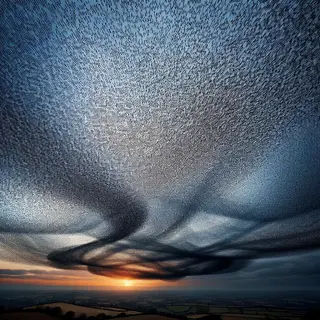
Starlings' murmurations are mesmerizing, coordinated aerial displays by thousands of birds forming complex patterns.

Discover strange, surprising, and little-known facts from science, history, nature, and beyond.
 Nature
Starlings' murmurations are mesmerizing, coordinated aerial displays by thousands of birds forming complex patterns.
 Nature
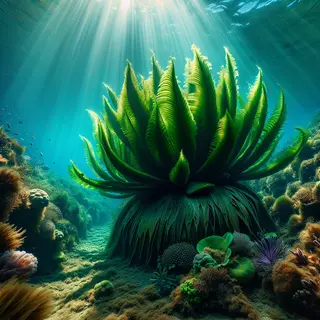
Humans have discovered a living aquatic plant that is believed to be over 80,000 years old based on genetic studies and environmental analysis. This plant continues to thrive and grow in the Mediterranean Sea.
 Nature
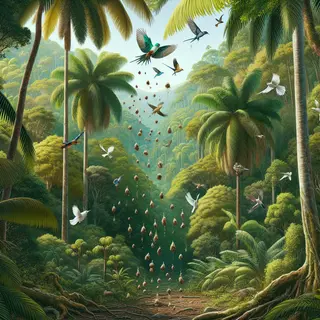
Bird droppings play a crucial role in the dispersal of seeds leading to plant propagation in diverse ecosystems.
 Nature
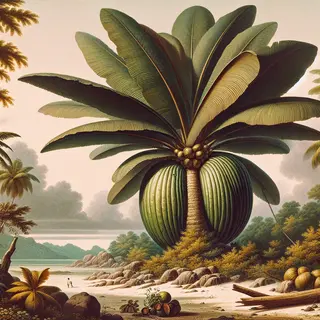
The largest seed in the world, weighing up to 25 kg, comes from the Coco de Mer tree found only in the Seychelles.
 Nature
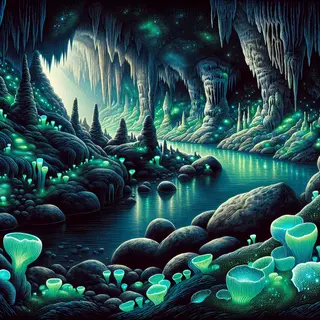
Discover the unique fungus in the Waitomo Caves of New Zealand that glows beautifully thanks to bioluminescence.
 Nature
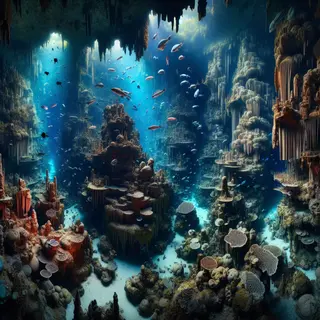
A subaquatic labyrinth of limestone formations and marine life was discovered underneath the Great Blue Hole in Belize, few know about this hidden marvel.
 Nature
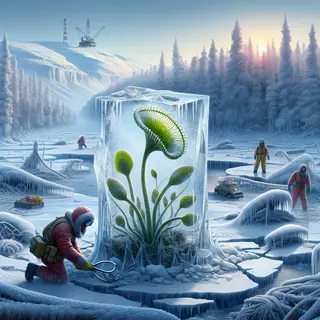
Unique discovery of an ancient carnivorous plant preserved in Siberia's permafrost for 30,000 years.
 Nature
There’s a region in Iceland where mosquitoes are completely absent.
 Nature
Mount Erebus, located in Antarctica, is home to one of the world's few persistent lava lakes.
 Nature
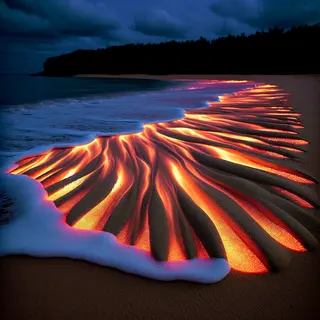
A beach in Mozambique exhibits a unique phenomenon where the sand glows under specific conditions, mimicking flames.
 Nature
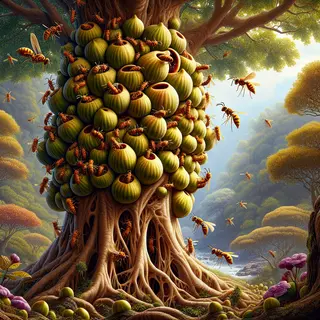
The symbiotic relationship between sycamore fig trees and fig wasps is an astonishing, yet little-known aspect of natural ecology.
 Nature
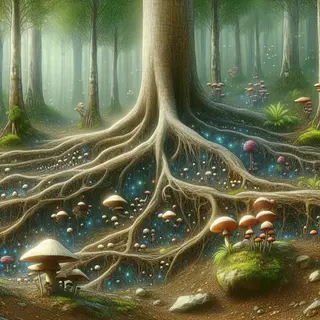
Plants communicate with each other using an underground network of fungi, often referred to as the 'Wood Wide Web'.
 Nature
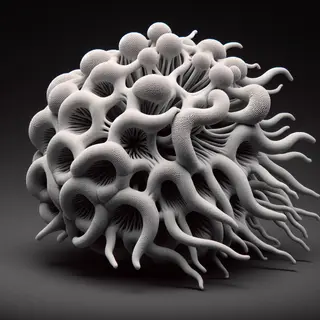
Clathrus archeri, also known as Devil’s Fingers or Octopus Stinkhorn, is a unique species of fungus that resembles an octopus.
 Nature
Noctiluca scintillans, commonly known as 'sea sparkle', is a type of phytoplankton that glows in the dark.
 Nature
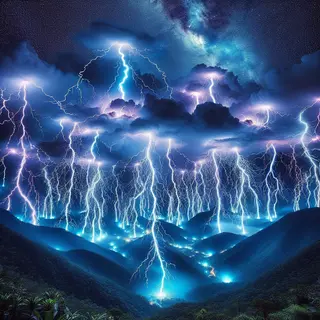
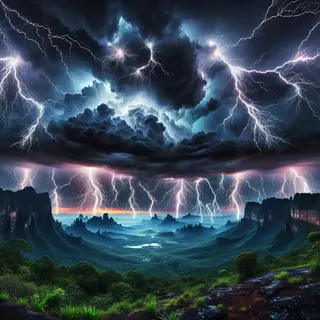
There is a place in Venezuela where a lightning storm has been going on for hundreds of years.
 Nature
There is a place on Earth that experiences almost constant lightning, 24 hours a day, 7 days a week.
 Nature
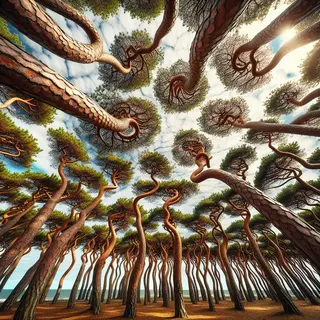
The Curonian Spit in Russia houses an unusual pine forest where the trees twist into spirals and rings.
 Nature
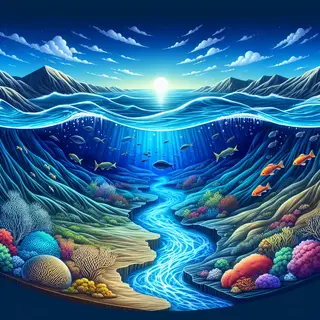
Believe it or not, there’s a unique natural phenomenon where we can find rivers that flow beneath the ocean.
 Nature
There are three known 'exploding' lakes in the world and they're all located in Africa. These lakes, Nyos, Monoun, and Kivu can explode and release deadly carbon dioxide due to their underlying volcanic activity.
 Nature
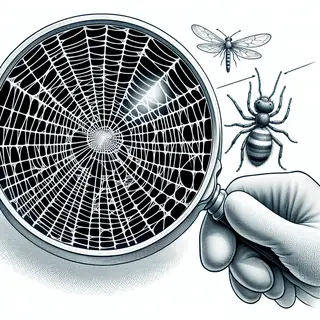
Spiders' webs are embedded with a special type of natural glue that’s invisible to naked eyes.
 Nature
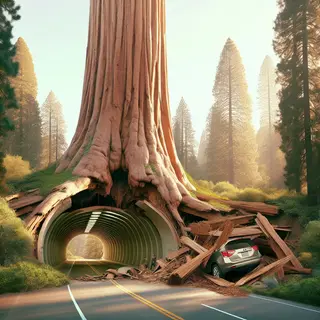
The iconic Tunnel Tree, over 1,000 years old, known for its vehicle-sized tunnel, toppled in a January 2017 storm. Carved in the 1880s, it symbolizes nature's resilience.
 Nature
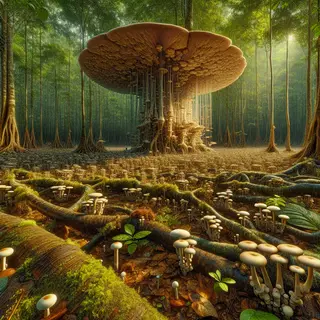
The largest living organism on Earth is a honey fungus (Armillaria ostoyae) in Oregon, spanning 2.4 miles and aged between 1,900 and 8,650 years.
 Nature
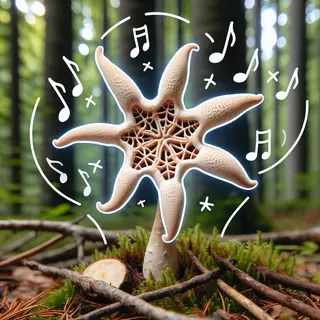
Chorioactis geaster, or Devil's Cigar, is a rare fungus found in Texas and Japan. It hisses when releasing spores and changes from a cigar shape to a star.
 Nature
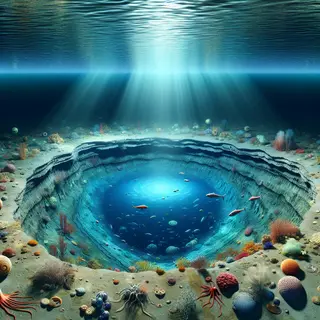
Discover the Gulf of Mexico's brine pools—underwater lakes of extreme salinity and methane, home to unique marine life and key to studying life in harsh environments.
No spam. Just strange, useful, and fascinating knowledge.
We only use your email for site updates.