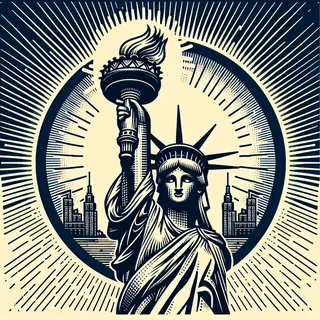
The Iconic Torch of the Statue of Liberty Found a New Home
The torch that the Statue of Liberty holds was actually replaced in 1986.

Discover strange, surprising, and little-known facts from science, history, nature, and beyond.
 History
The torch that the Statue of Liberty holds was actually replaced in 1986.
 History
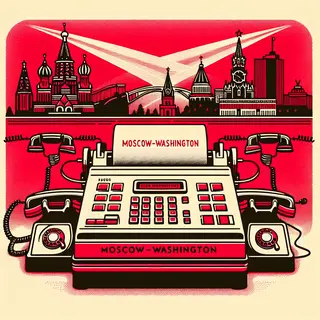
The Moscow-Washington Red Phone, commonly misinterpreted as a telephone system, was actually a fax machine.
 History
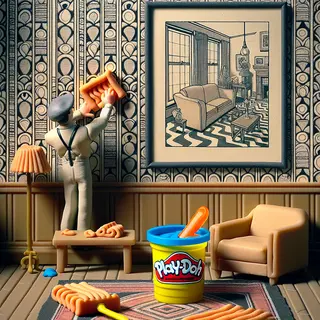
Play-Doh, the popular children's modelling clay, was originally developed as a wallpaper cleaner in the 1930s.
 History
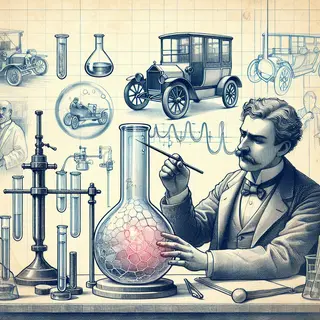
Safety glass, used widely in various applications today, including car windshields and bulletproof screens, was invented accidentally by French chemist Edouard Benedictus.
 History
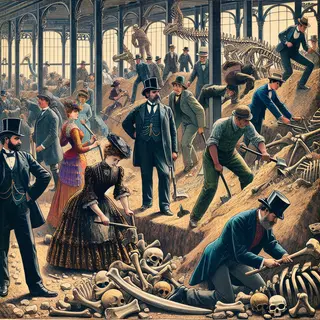
The Bone Wars, also known as the Great Dinosaur Rush, was a period of intense and ruthlessly competitive fossil hunting and discovery during the Gilded Age of American history.
 History
During World War II, a secret city was built in Tennessee, which was not shown on the map and housed around 75,000 residents.
 History
Albert Einstein, popularly known for his theories of relativity, also dabbled in the theory of evolution. However, his ideas remained unpublished.
 History
Alexander Fleming, renowned for discovering the antibiotic properties of penicillin, had also devised an antibacterial paint that tends to be overlooked.
 History
Although commonly known to exist, the accidental discovery of X-rays by physicist Wilhelm Conrad Röntgen remains a lesser-known story.
 History
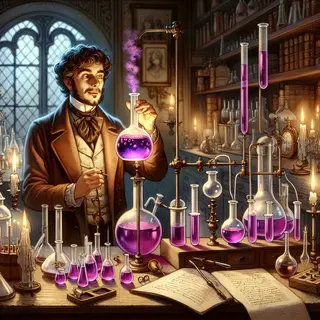
The creation of synthetic purple dye, often known as 'Mauveine,' was a happy accident by Sir William Henry Perkin in 1856.
 History
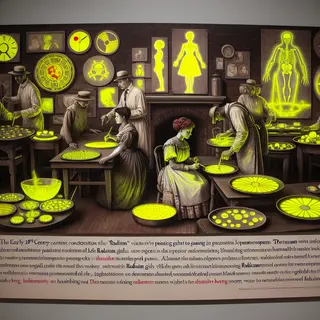
In the early 20th century, radium was used in paint to make objects glow in the dark. This deadly practice led to a tragic health crisis among workers known as the 'Radium Girls.'
 History
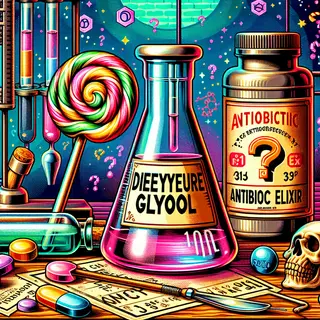
Diethylene glycol, a sweet-tasting solvent, was once used as an alternative to glycerin in an antibiotic elixir leading to mass poisoning and many deaths.
 History
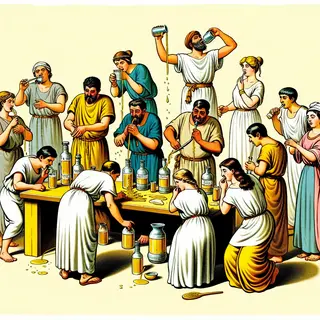
Urine, particularly human urine, was used by the Romans as mouthwash and toothpaste, integral to their hygiene routine, to whiten their teeth.
 History
Scottish inventor Alexander Bain created the first version of a fax machine in 1846, 15 years before the start of the American Civil War.
 History
Not a literary invention, the Mad Hatter syndrome was a real condition that affected hatmakers in the 18th and 19th centuries.
 History
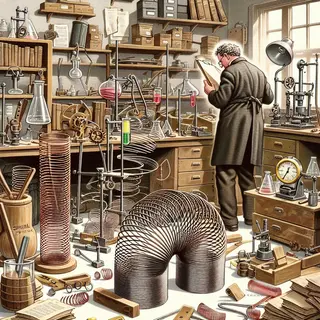
The Slinky, a popular toy in the 20th century, was invented by accident during World War II.
 History
Contrary to popular belief, the ancient world's grand marble statues and temples were not left unpainted. They were true works of art, lavished with vibrant colors.
 History
Silly Putty, a popular children's toy, was accidentally created during World War II as a failed attempt to invent synthetic rubber.
 History
Abraham Lincoln, the 16th President of the United States, never once saw a ripe tomato until over halfway through his term as President!
 History
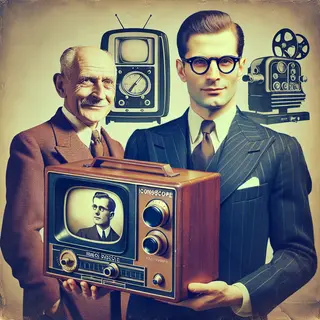
Even though Philo Farnsworth is credited with inventing the first fully functional all-electronic image pickup device, the image dissector, it was Vladimir Zworykin who is often referred to as the 'father of television.
 History
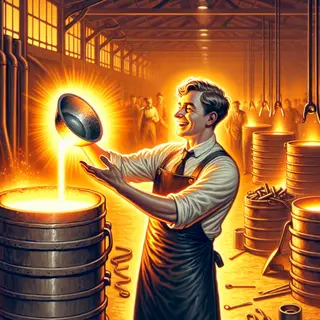
In 1912, Harry Brearley of the UK discovered a way to make stainless steel, but his discovery was overlooked and forgotten.
 History
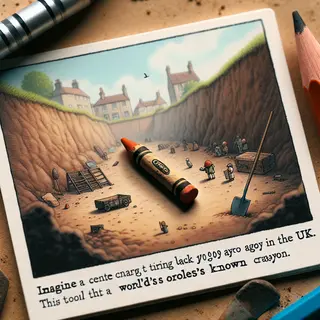
Archaeologists discovered a tiny object from 10,000 years ago on a UK excavation site that turned out to be world's the oldest known crayon.
 History
The year 1816 is known as 'The Year Without a Summer' because of severe climate abnormalities.
 History
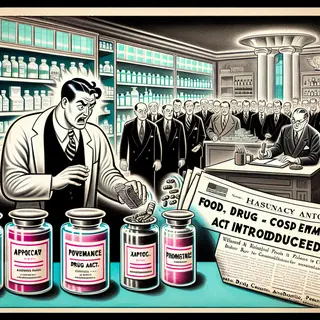
A pharmaceutical blunder in the 1930s led to the development of the Food, Drug and Cosmetic Act
No spam. Just strange, useful, and fascinating knowledge.
We only use your email for site updates.