The Ancient Maritime Silk Route of Sri Lanka's Taprobane
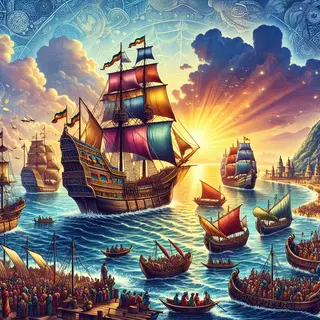
This fact reveals the ancient maritime silk route centered around Sri Lanka, also historically known as Taprobane.
Discover strange, surprising, and little-known facts from science, history, nature, and beyond.
 History
This fact reveals the ancient maritime silk route centered around Sri Lanka, also historically known as Taprobane.
 History
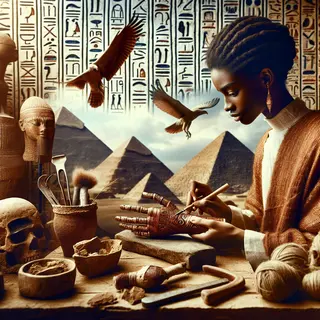
Ancient Egyptians crafted prosthetics over 3,000 years ago.
 History
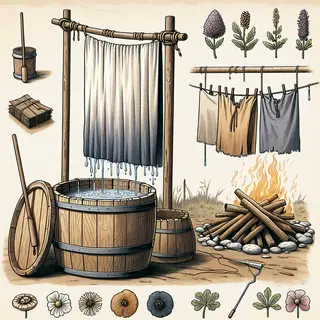
Ancient civilizations used urine in textile dyeing for its ammonia content, which acted as a mordant, fixing vibrant colors onto fabrics, showcasing early ingenuity and resourcefulness.
 History
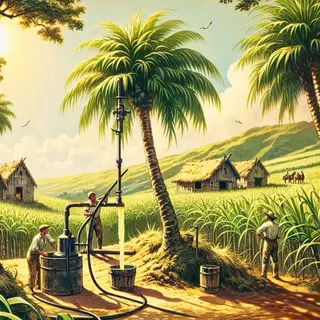
In the early 20th century, a remarkable experiment took place on a Hawaiian sugar cane plantation: tapping trees for petrol.
 History
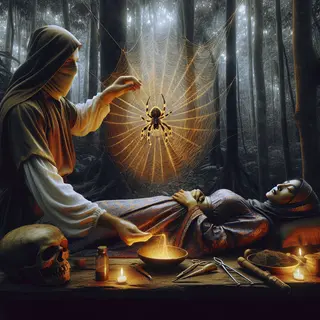
Spider silk has been used in ancient and medieval medicine for wound healing and other treatments.
 History
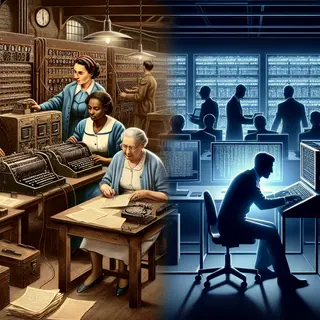
Bletchley Park, during WWII, was crucial in cryptography and modern computing, with pioneers like Turing and Flowers developing groundbreaking technologies like Colossus.
 History
The 1906 San Francisco Earthquake unexpectedly led to advancements in agricultural practices, including the development of drip irrigation systems, revolutionizing crop cultivation.
 History
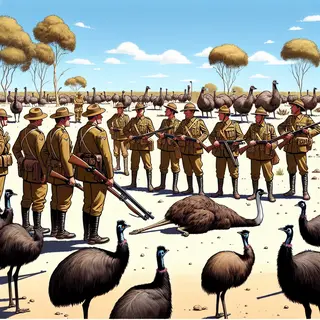
In 1932, Australia waged the "Great Emu War" against emus damaging crops, a bizarre and unsuccessful military campaign highlighting post-WWI agricultural struggles.
 History
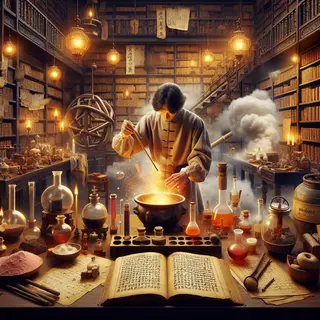
Gunpowder, an essential part of many significant historical events and inventions, was an accidental discovery from a quest for immortality.
 History
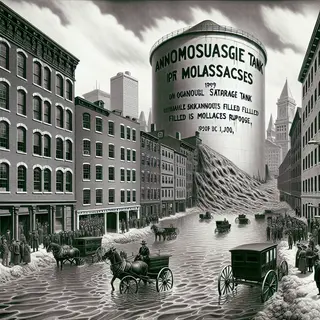
A large molasses storage tank burst and flooded the city in Boston in 1919.
 History
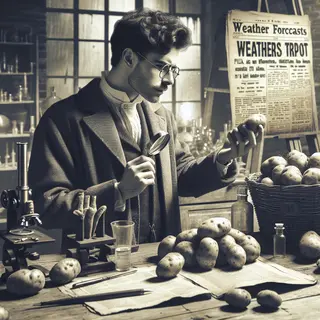
In 1928, a biologist utilized potatoes for predicting the weather.
 History
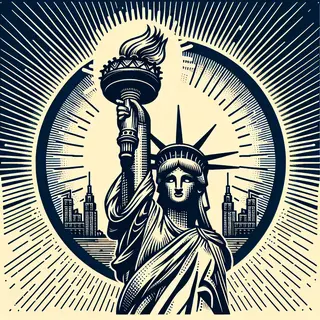
The torch that the Statue of Liberty holds was actually replaced in 1986.
 History
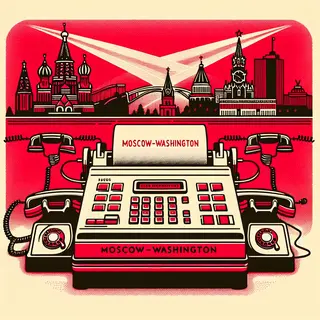
The Moscow-Washington Red Phone, commonly misinterpreted as a telephone system, was actually a fax machine.
 History
Play-Doh, the popular children's modelling clay, was originally developed as a wallpaper cleaner in the 1930s.
 History
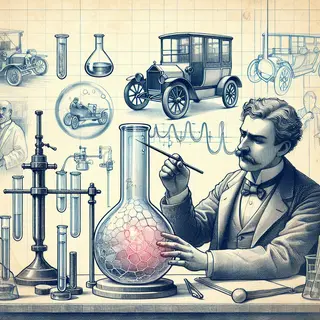
Safety glass, used widely in various applications today, including car windshields and bulletproof screens, was invented accidentally by French chemist Edouard Benedictus.
 History
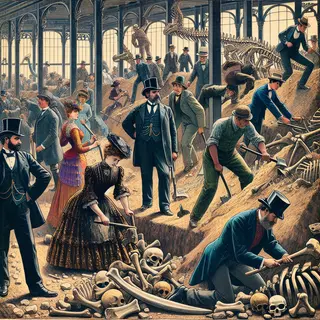
The Bone Wars, also known as the Great Dinosaur Rush, was a period of intense and ruthlessly competitive fossil hunting and discovery during the Gilded Age of American history.
 History
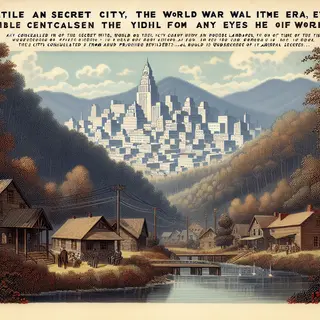
During World War II, a secret city was built in Tennessee, which was not shown on the map and housed around 75,000 residents.
 History
Albert Einstein, popularly known for his theories of relativity, also dabbled in the theory of evolution. However, his ideas remained unpublished.
 History
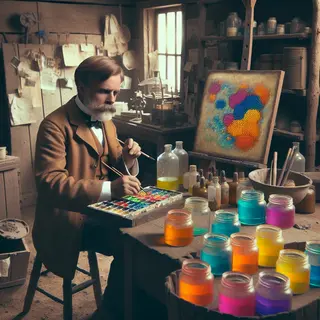
Alexander Fleming, renowned for discovering the antibiotic properties of penicillin, had also devised an antibacterial paint that tends to be overlooked.
 History
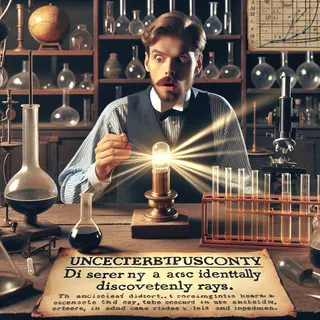
Although commonly known to exist, the accidental discovery of X-rays by physicist Wilhelm Conrad Röntgen remains a lesser-known story.
 History
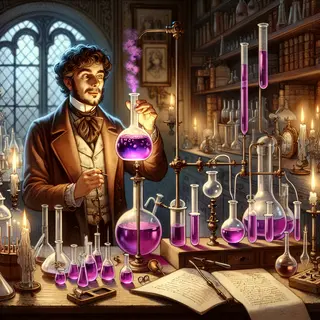
The creation of synthetic purple dye, often known as 'Mauveine,' was a happy accident by Sir William Henry Perkin in 1856.
 History
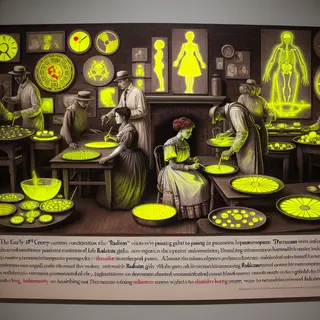
In the early 20th century, radium was used in paint to make objects glow in the dark. This deadly practice led to a tragic health crisis among workers known as the 'Radium Girls.'
 History
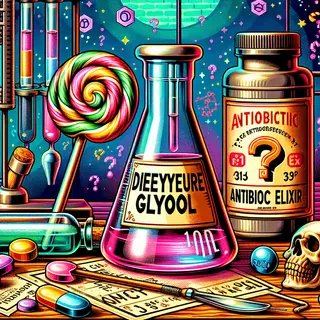
Diethylene glycol, a sweet-tasting solvent, was once used as an alternative to glycerin in an antibiotic elixir leading to mass poisoning and many deaths.
 History
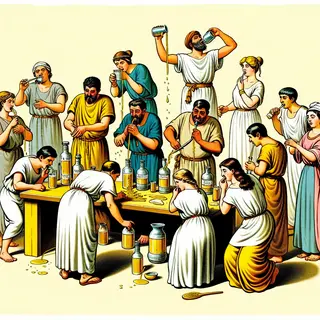
Urine, particularly human urine, was used by the Romans as mouthwash and toothpaste, integral to their hygiene routine, to whiten their teeth.
No spam. Just strange, useful, and fascinating knowledge.
We only use your email for site updates.