
Method for Restoring Shrunken Clothes Using Baby Shampoo
A great DIY trick for unshrinking clothes involves baby shampoo mixed with water.
 Watch on YouTube
 Watch on Rumble
Introduction
Nothing is as frustrating as reaching into the dryer and pulling out a favorite shirt or sweater that has shrunk to a fraction of its original size. That sinking feeling of realizing a beloved garment no longer fits is something most people have experienced at least once. Whether it was a cashmere sweater accidentally tossed in with a hot load or a cotton t-shirt that went through one too many high-heat cycles, shrinkage is one of the most common laundry mishaps around.
Fortunately, all may not be lost. There is a surprisingly simple and effective technique that can help you restore a shrunken garment to something close to its original size using nothing more than household items like baby shampoo or hair conditioner. The science behind it is straightforward: by relaxing the fibers in the fabric, you create a window of opportunity to gently stretch the garment back into shape before it dries and sets again. This guide will walk you through exactly how to do that, explain why the method works, and offer some practical tips to help you get the best possible results. With a little patience and the right approach, you may be able to rescue clothes you thought were ruined for good.
Why Clothes Shrink in the Wash
Before diving into the unshrinking process, it helps to understand why clothes shrink in the first place. The answer lies in the nature of natural fibers and how they respond to heat, moisture, and mechanical stress.
Most shrinkage occurs when natural fibers like wool or cotton are exposed to hot water or high dryer temperatures, combined with the agitation of a washing machine. Natural fibers are made up of long protein or cellulose chains that are held in a stretched-out configuration during the manufacturing process. When these fibers encounter heat and movement, the tension that was built into them during spinning and weaving is released. The fibers contract, tightening and pulling the fabric inward, making the garment noticeably smaller.
Wool is particularly vulnerable to this process because its fibers have microscopic scales along their surface. When heat and agitation are applied, those scales interlock, a process called felting that causes the fabric to shrink rapidly and sometimes irreversibly. Cotton shrinks differently through a process called consolidation shrinkage, in which the fibers simply tighten and draw together when exposed to heat and moisture. Synthetic fibers like polyester are far more resistant to shrinkage because they are not under the same kind of manufacturing tension and do not react to heat in the same way, though they can still warp or deform under extreme temperatures.
The good news is that for wool and cotton, the shrinking process can often be partially or fully reversed. Because the fibers contracted when tension was released, reintroducing the right conditions can coax them back into a more relaxed, elongated state. That is exactly what the unshrinking method exploits.
Step-by-Step Guide to Unshrinking Clothes
To unshrink a piece of clothing, you will need a tub or sink, lukewarm water, baby shampoo or hair conditioner, a clean towel, and a flat surface for drying. Once you have those items ready, the process is straightforward.
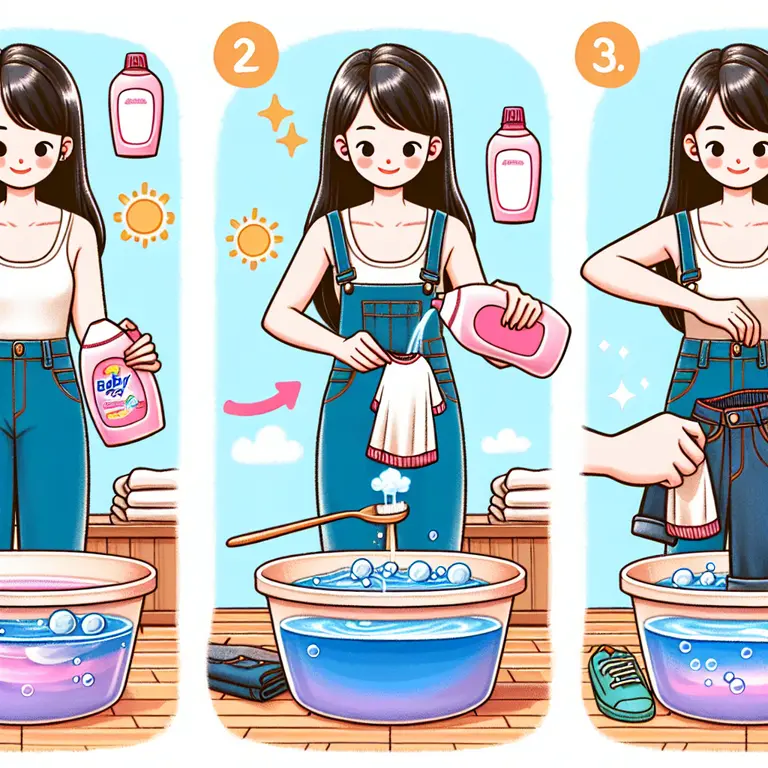
Begin by filling a tub or sink with lukewarm water. The temperature matters more than most people realize. The water should be warm enough to relax the fibers, but not so hot as to cause further contraction. Think comfortably warm to the touch rather than steaming. Add a capful of baby shampoo or hair conditioner to the water, then gently swirl it around to distribute it evenly. These products contain conditioning agents that help soften and lubricate individual fibers, making them more pliable and easier to reshape.
Place the shrunken garment into the water and press it down gently to make sure it is fully submerged. Allow it to soak for 15 to 30 minutes. This gives the conditioning agents enough time to penetrate the fibers and begin loosening them. You may notice the fabric becoming softer and more relaxed as it soaks.
After soaking, carefully lift the garment from the water and gently squeeze out excess moisture. It is important not to rinse the garment at this stage. The shampoo or conditioner still coating the fibers will continue to help keep them pliable during the stretching process, so you want to preserve as much of that as possible. Avoid wringing or twisting the fabric, as this can cause additional stress to already weakened fibers.
Next, lay the damp garment flat on a clean, dry towel. Roll the towel and the garment up together, pressing gently as you go to help the towel absorb excess moisture. The goal is to get the garment damp but not dripping wet. Once you have done this, unroll the towel and transfer the garment to a clean, dry flat surface.
Now comes the most important part: gently stretching the garment back toward its original dimensions. Work slowly and evenly, focusing on the areas that have shrunk the most, such as the sleeves, the body length, or the neckline. Use both hands to apply steady, gentle pressure rather than sharp tugs. If you have a similar garment that fits correctly, you can lay it alongside the shrunken one as a size reference. Take your time with this step, as rushing it increases the risk of overstretching one area while neglecting another.
Once the garment has been stretched to the desired size, leave it flat to air dry completely. Avoid hanging it up while it is still damp, because the weight of the wet fabric can cause it to stretch unevenly and pull out of shape. Depending on the material's thickness, drying may take several hours or even overnight. Reshape the garment periodically as it dries to help it hold its new dimensions.
How the Process Works and Why Baby Shampoo Helps
The key to this entire method is the role that baby shampoo or conditioner plays in relaxing the fabric’s fibers. These products work on clothing in much the same way they work on hair. Hair conditioners are formulated to smooth and soften the protein-based keratin fibers in human hair, reducing friction between strands and making them easier to detangle and reshape. Wool fibers are also made of keratin, which is why conditioners are particularly effective on wool garments. Cotton responds well, too, because the surfactants in these products help lubricate the cellulose fibers and reduce the surface tension that keeps them locked in their contracted state.
By soaking the garment and then carefully stretching it while it is still damp and coated in conditioner, you are essentially reversing the mechanical process that caused the shrinkage. The warmth of the water relaxes the fiber structure, and the conditioning agents reduce friction between individual fibers, giving you a brief window during which the fabric can be reshaped. As the garment dries in its new, stretched configuration, the fibers gradually set back into place in the elongated position you have encouraged them to assume.
It is worth noting that this method works best on garments that have experienced consolidation or relaxation shrinkage rather than felting. Heavily felted wool, in which the fibers have become permanently interlocked, is much harder to reverse and may not respond well to repeated attempts.
Additional Tips for the Best Results
Checking the care label on your garment before you begin is always a good idea. The label will tell you what the fabric is made of and give you a sense of how it is likely to respond to this process. Wool and cotton are the best candidates. Blended fabrics can also work, though results may vary depending on the ratio of natural to synthetic fibers.
Avoiding heat throughout the entire process is essential. Since heat is the primary cause of shrinkage, introducing it at any stage risks undoing your progress or worsening it. Use only lukewarm water and always air-dry rather than use a dryer.
If the garment does not return fully to its original size after one attempt, do not give up. You can repeat the entire process, and each round of soaking and stretching tends to yield a little more progress as the fibers continue to relax. Some garments may need two or three attempts before they are fully restored.
Being patient and gentle throughout is perhaps the most important tip of all. Pulling the fabric too aggressively can cause it to become misshapen or weaken the fibers to the point that the garment loses its structural integrity.
Conclusion
Shrinking a favorite shirt or sweater in the wash does not have to mean the end of its life. With a few simple steps and a small amount of baby shampoo or hair conditioner, it is often possible to reverse the damage and restore a garment to near its original size. The method exploits the same properties of natural fibers that cause them to shrink in the first place, using gentle conditioning agents and careful stretching to coax the fabric back into shape.
Best of all, this approach is non-toxic, inexpensive, and requires nothing beyond items most households already have on hand. There is no need for specialized products or professional treatments. The next time you pull a shrunken item out of the wash, resist the urge to toss it aside. Give this technique a try, and you may be pleasantly surprised at how much life is still left in what you thought was a ruined piece of clothing.