
Transform Banana Peels into Eco-Friendly Natural Fertilizer
Banana peels can be used as a natural fertilizer to provide several nutrients for your plants.
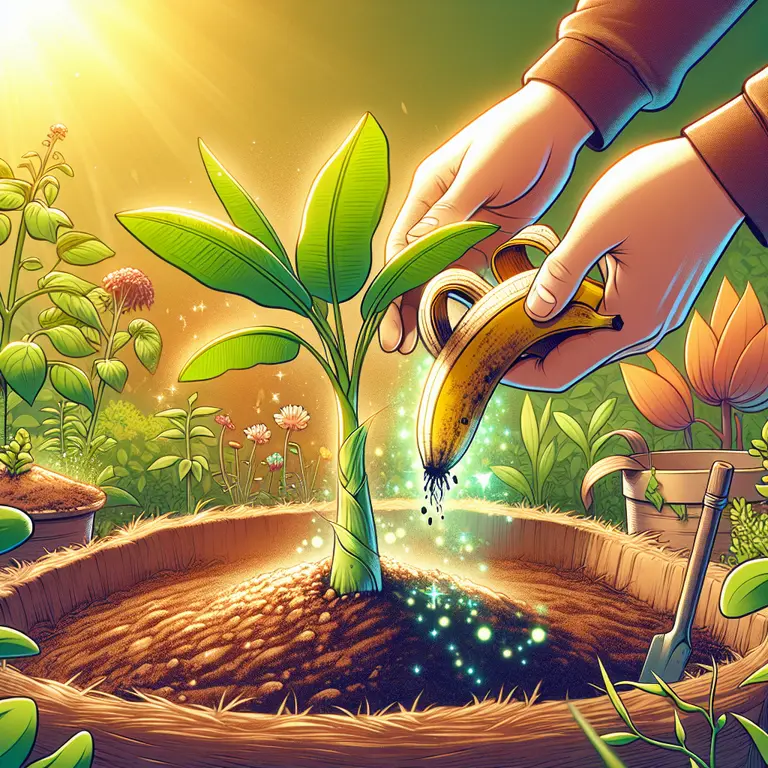
Most people toss banana peels into the trash without a second thought, but this common piece of kitchen waste holds surprising potential for gardeners. Banana peels are packed with nutrients that plants need to grow, flower, and produce fruit. Rather than sending them to a landfill where they contribute to methane emissions as they decompose, gardeners can redirect this organic material back into the soil where it truly belongs. This simple, cost-free practice sits at the intersection of practical gardening and environmental responsibility, offering benefits that extend well beyond the garden bed itself. Whether you tend a small balcony container garden or a sprawling backyard plot, incorporating banana peels into your gardening routine is one of the easiest and most rewarding changes you can make.
Nutrients Found in Banana Peels
To understand why banana peels work so well as a fertilizer, it helps to look at what they actually contain. The nutrient profile of a banana peel is more impressive than most people realize, and it maps closely onto what healthy plants need throughout their growth cycles.
Potassium is perhaps the most significant nutrient found in banana peels, and it plays a central role in nearly every major plant function. It regulates the opening and closing of stomata, which are the tiny pores on plant leaves responsible for gas exchange and water regulation. When potassium levels are adequate, plants can better manage drought stress, absorb water more efficiently through their roots, and maintain stronger cellular structures overall. Potassium also plays a direct role in the development of flowers and fruit, which is why potassium-rich amendments are especially valued during the flowering and fruiting stages of plant growth.
Calcium is another key nutrient present in banana peels, and its importance in the garden is often underestimated. At the cellular level, calcium is responsible for building and maintaining strong cell walls. Plants that receive adequate calcium tend to have more rigid, resilient structures that are better able to resist physical damage and disease. Calcium is also essential for healthy root tip development and plays a critical role in preventing blossom-end rot, a common disorder that affects tomatoes, peppers, squash, and other fruiting plants. This condition, characterized by dark, sunken patches at the base of developing fruit, is directly linked to calcium deficiency or the plant’s inability to transport calcium efficiently.
Iron, though needed only in small quantities, is an essential micronutrient that banana peels can help supply. Iron is a key component in the production of chlorophyll, the pigment that gives plants their green color and drives photosynthesis. When iron is lacking in the soil, plants often display a condition called chlorosis, where the leaves turn yellow while the veins remain green. This yellowing signals that the plant is struggling to produce enough chlorophyll to sustain normal growth. Beyond these three primary nutrients, banana peels also contain smaller but meaningful amounts of phosphorus and magnesium. Phosphorus supports root development and energy transfer within the plant, while magnesium sits at the center of every chlorophyll molecule, making it indispensable for photosynthesis.
How to Use Banana Peels as Fertilizer
One of the greatest advantages of banana peel fertilizer is its versatility. There are several different methods for using banana peels in the garden, and each one suits different gardening styles, schedules, and plant needs.
The most straightforward approach is to chop banana peels into small pieces and bury them directly in the soil near the base of your plants. Smaller pieces decompose faster and release their nutrients more quickly than whole peels. As organic material breaks down, it gradually introduces nutrients into the surrounding soil, creating a slow-release fertilizer effect that feeds plants over several weeks. This method works especially well when planting new seedlings or transplants, as the nutrients will be available right at the root zone during the critical early stages of establishment.
Adding banana peels to a compost pile is another highly effective option, particularly for gardeners who already maintain a composting system. Banana peels are considered a green or nitrogen-rich material in composting terms, and they break down relatively quickly when mixed with carbon-rich materials like dried leaves, cardboard, or straw. Over time, the compost transforms into a dark, crumbly, nutrient-dense soil amendment that can be worked into garden beds or used as a top dressing around established plants. Composting banana peels alongside other kitchen and yard waste creates a finished product that is far more balanced and complex in its nutrient content than any single ingredient could provide.
For gardeners looking for a faster-acting option, banana peel tea offers an appealing solution. To make it, simply submerge several banana peels in a jar or bucket of water and let them soak for 2 to 3 days. During this time, the water draws out soluble nutrients from the peels, creating a mild liquid fertilizer. This liquid can then be poured directly around the base of plants or used to water seedlings. Because the nutrients are already dissolved in water, plant roots can absorb them almost immediately, making banana peel tea particularly useful during periods of rapid growth or when plants show signs of nutrient deficiency.
Dried banana peel powder represents perhaps the most concentrated and shelf-stable form of this fertilizer. To make it, banana peels are dried in an oven at a low temperature or left out in the sun until they become brittle and completely moisture-free. Once dry, they can be ground into a fine powder using a blender or food processor. This powder can be stored in an airtight container for months and sprinkled around plants or mixed into potting soil as needed. Because drying concentrates the nutrients without destroying them, this method delivers a more potent dose per application than fresh or soaked peels.
The Benefits of Using Banana Peels as Fertilizer
The appeal of banana peel fertilizer goes well beyond its nutrient content. There are practical, financial, and environmental reasons why this practice deserves wider adoption among home gardeners.
From a financial standpoint, banana peels cost nothing beyond the price of the banana itself, which most households buy for other reasons entirely. Commercial fertilizers, particularly those formulated for specific plant types or growth stages, can be expensive and often require repeated purchases throughout the growing season. Redirecting banana peels from the trash to the garden eliminates this recurring cost while still delivering meaningful nutritional benefits to plants.
The environmental case for banana peel fertilizer is equally compelling. Food waste is a significant contributor to greenhouse gas emissions worldwide. When organic material like banana peels ends up in a landfill, it decomposes under anaerobic conditions and releases methane, a greenhouse gas far more potent than carbon dioxide over short time horizons. By composting or directly applying banana peels to garden soil, gardeners interrupt this cycle and return organic carbon to the earth, where it supports soil biology and long-term fertility.
There is also the matter of soil health. Synthetic fertilizers, while effective at delivering specific nutrients quickly, do not contribute to the biological complexity of healthy soil. Over time, heavy reliance on synthetic inputs can actually degrade soil structure and reduce microbial diversity. Organic amendments like banana peels, by contrast, feed not just the plant but the entire soil ecosystem, including bacteria, fungi, and earthworms that play vital roles in nutrient cycling and soil aeration.
Which Plants Benefit Most from Banana Peel Fertilizer
While virtually any plant can benefit from the nutrients in banana peels, certain species show particularly strong responses due to their high demand for potassium and calcium.
Tomatoes are perhaps the most obvious beneficiary. They are notoriously heavy feeders that require consistent potassium throughout the growing season, especially once they begin flowering and setting fruit. Gardeners who bury banana peel pieces around the base of tomato plants or water them regularly with banana peel tea often report more vigorous growth, deeper fruit color, and significantly reduced incidence of blossom-end rot. Roses respond similarly well to potassium supplementation, producing larger blooms with more vibrant color when their potassium needs are consistently met. Peppers share many of the same nutritional demands as tomatoes and benefit from banana peel amendments in much the same way, with improved fruit set and better overall plant health being the most commonly observed results.
Flowering plants in general, including geraniums, petunias, and dahlias, tend to respond positively to potassium-rich amendments because potassium directly influences the quality and abundance of flowers. Even leafy vegetables like spinach and chard can benefit from the calcium and iron in banana peels, which support healthy cell development and chlorophyll production, respectively.
Sustainable Gardening with Banana Peels
Using banana peels as fertilizer is more than just a clever gardening tip. It represents a broader philosophy of working with, rather than against, natural cycles. Every banana peel that goes into a garden instead of a trash can is a small but real act of ecological stewardship. It reduces waste, enriches soil, supports plant health, and reduces dependence on industrially produced inputs. When multiplied across thousands or millions of households, these small choices add up to meaningful environmental impact.
This practice also serves as a natural entry point into broader sustainable gardening habits. Gardeners who begin composting banana peels often find themselves expanding their composting efforts, reducing their use of synthetic chemicals, and paying closer attention to soil health as a foundation for everything they grow. In this way, the humble banana peel becomes not just fertilizer but a gateway to a more thoughtful, regenerative approach to gardening.
Conclusion
Banana peels, so often dismissed as kitchen waste, are in reality a valuable and versatile gardening resource. Rich in potassium, calcium, iron, and other beneficial nutrients, they offer a natural, organic, and entirely free way to nourish plants while reducing household waste. Whether chopped and buried in soil, steeped into a liquid fertilizer, added to a compost pile, or dried into a concentrated powder, banana peels can be adapted to suit almost any gardening context or need. The plants that benefit most are those with high potassium demands, particularly tomatoes, peppers, and roses, but virtually any plant in any garden can gain something from this practice. Beyond the immediate benefits to individual gardens, embracing banana peel fertilizer contributes to a larger culture of sustainability, one that values resourcefulness, ecological awareness, and a genuine commitment to returning what we take from the earth.