Unlocking the Mysteries of Bee Communication and Behavior
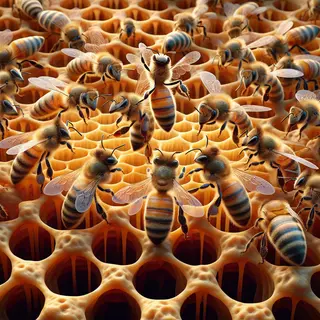
Bees do a waggle dance in order to communicate precise coordinates of food sources.

Discover strange, surprising, and little-known facts from science, history, nature, and beyond.
 Animals
Bees do a waggle dance in order to communicate precise coordinates of food sources.
 Animals
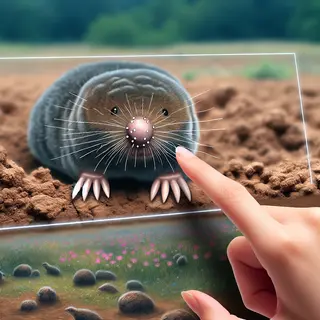
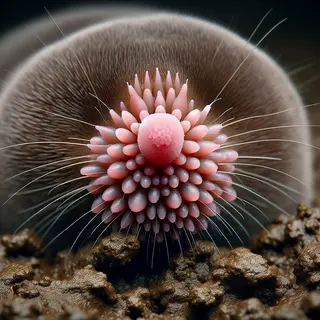
Did you know the star-nosed mole has one of the quickest and most sensitive touch responses in the animal kingdom?
 Animals
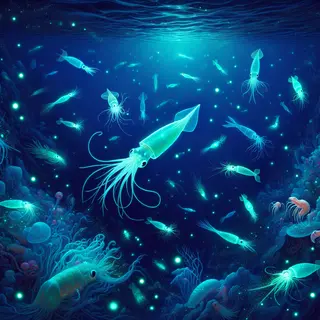
Many species of marine life such as squids, shrimp, and other deep-sea creatures have the natural ability to produce light internally (bioluminescence) to attract mates or deter predators.
 Animals
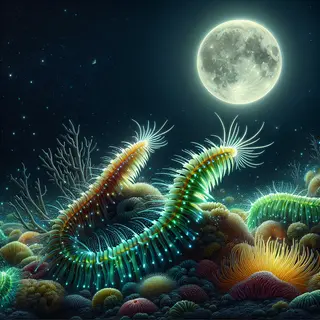
The Bermuda fireworm, Odontosyllis enopla, is known for its bioluminescent mating displays that occur after the full moon.
 Animals
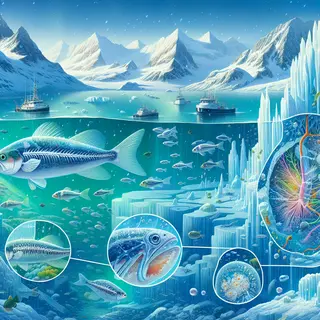
Antifreeze proteins (AFPs) exist naturally in Arctic and Antarctic fish, a unique physiological attribute that helps them endure chilling temperatures.
 Animals
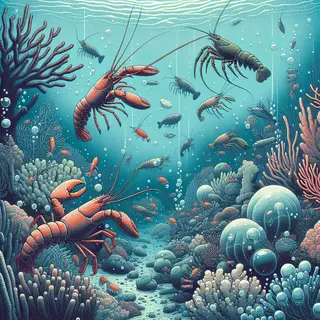
Some crustaceans, such as lobsters and crabs, cannot produce sound, despite living in noisy underwater environments.
 Animals
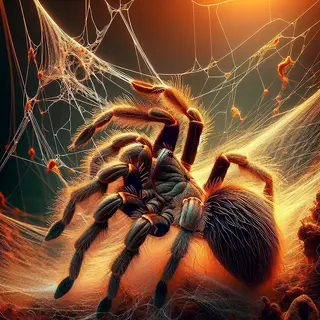
Tarantulas use silk threads not only from their abdomen but also have silk-spinning facilities in their feet.
 Animals
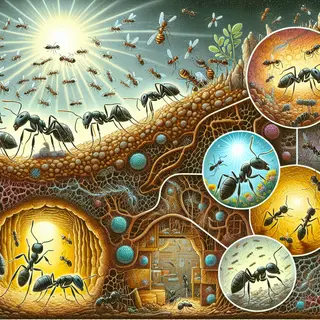
Contrary to most of the living creatures, ants do not have a sleep cycle and they function continuously without any need for rest.
 Animals
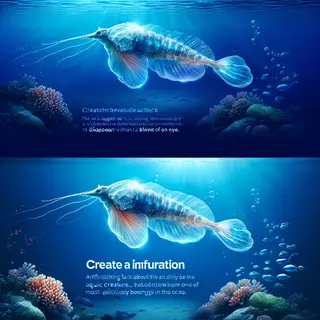
Sea sapphires are unique marine animals that can virtually become invisible within a second, making them one of the ocean's most enchantingly elusive creatures.
 Animals
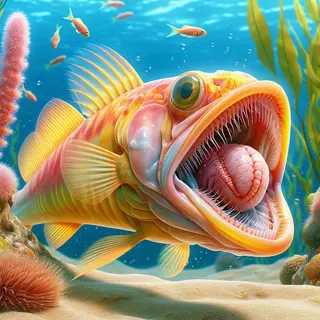
A unique parasite that replaces the tongue of a fish, living as its functioning replacement.
 Animals
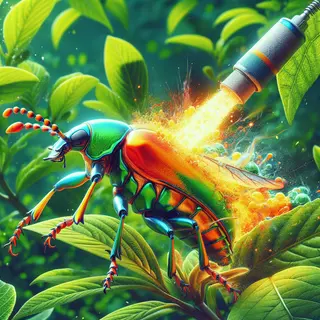
The bombardier beetle is a small insect known for its unusual and effective defense mechanism: an explosive, chemical spray.
 Animals
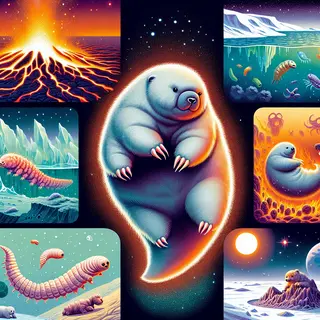
A water bear, or tardigrade, is an extremophile that can survive in the most extreme conditions and even in the vacuum of outer space.
 Animals
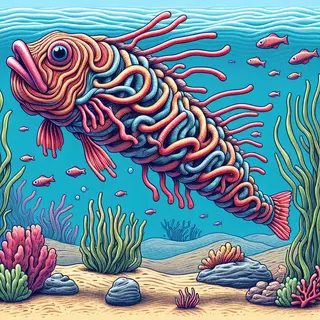
An unusual species of fish called the wigglefish that wiggles its body extensively to 'walk' on the ocean floor.
 Animals
In Northeast Brazil, a termite supercolony extends over an area equivalent to the size of Great Britain.
 Animals
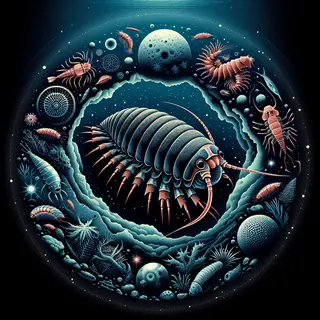
Recently discovered, the Bathynomus raksasa or the supergiant isopod stands out as an oddity of the marine world. Found in the Indian Ocean's deep waters, it's one of the largest isopods known so far.
 Animals
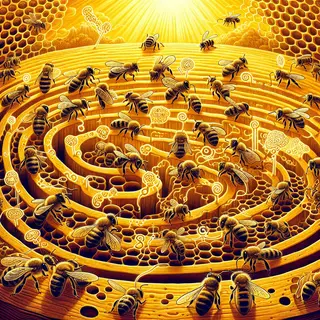
Bees communicate with each other through a unique dance known as the 'waggle dance', enabling them to relay precise information about the location of food sources.
 Animals
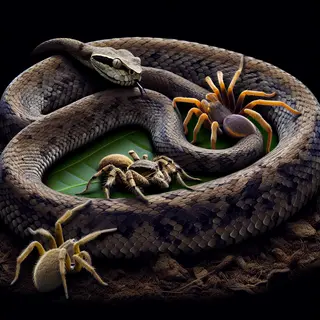
A viper species with a tail resembling a spider, used to lure in its prey.
 Animals
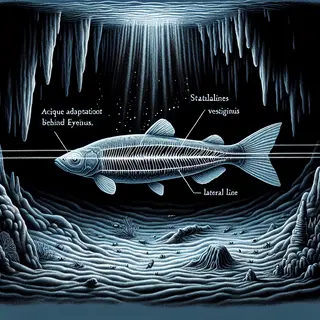
Astyanax mexicanus, a species of blind cavefish, has evolved to develop the ability to 'see' in the dark using its lateral line system.
 Animals
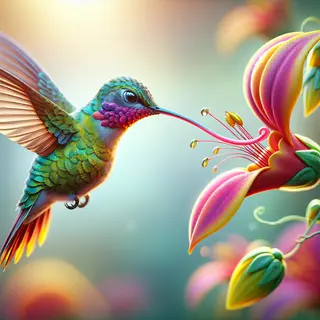
Hummingbirds have a unique structural adaptation that allows their tongues to float, aiding in the efficient extraction of nectar from flowers.
 Animals
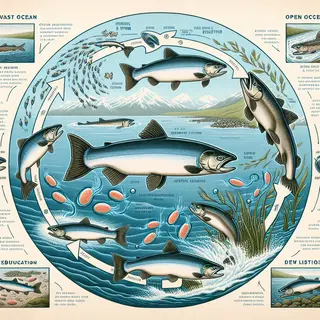
Pacific Salmon perform an extraordinary feat in their life cycle. It involves birth, extensive travel, and returning home for reproduction and death — all relying on their impeccable sense of smell.
 Animals
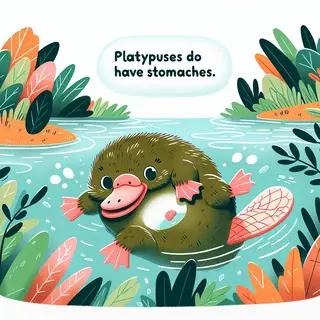
Platypuses do not have stomachs.
 Animals
The Star-nosed Mole has 22 pink appendages ringed around its snout in star shape that are used to identify food by touch. Its nose is one of the most sensitive on Earth.
 Animals
A unique species of centipede was discovered by accident in strawflower artworks
 Animals
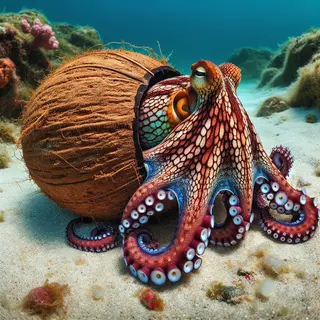
There's a species of octopus named the veined octopus (Amphioctopus marginatus) that carries around coconut shells as a means of protection and shelter.
No spam. Just strange, useful, and fascinating knowledge.
We only use your email for site updates.