
Using Bananas as an Eco-Friendly Polishing Solution
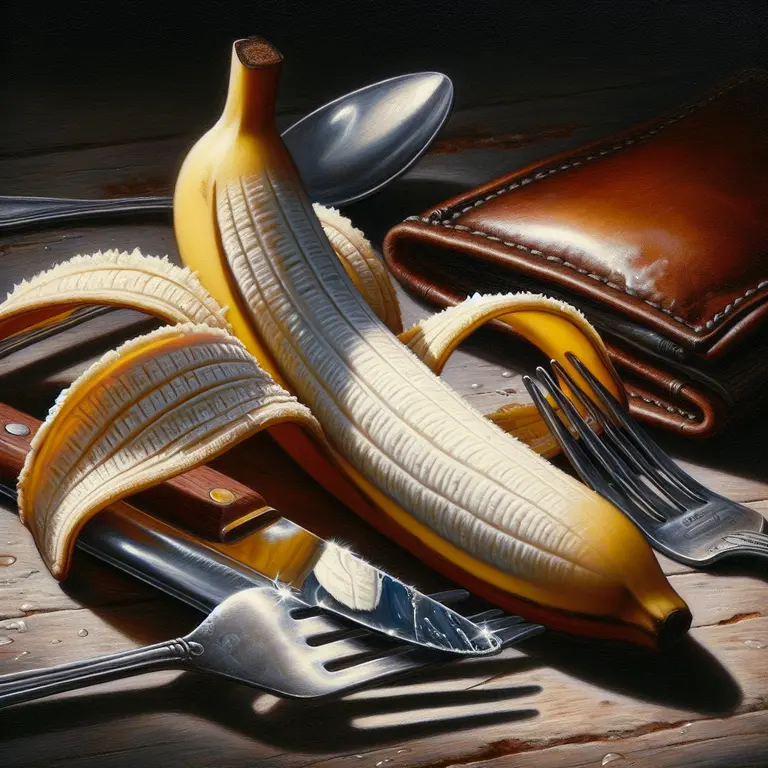
The inside of a banana skin can be used to polish silver and leather
 Watch on YouTube
 Watch on Rumble
Introduction
Bananas are one of the most widely consumed fruits on the planet, celebrated for their convenience, natural sweetness, and impressive nutritional profile. Rich in potassium, vitamin B6, magnesium, and dietary fiber, they serve as a reliable source of energy and support for everything from heart health to muscle function. But once the fruit is eaten, most people give little thought to what remains in their hand: the peel. For most households, banana peels go straight into the trash or, at best, into the compost bin.
What very few people realize is that the humble banana peel carries a surprising second life as a natural polishing agent. The inner surface of a banana peel contains a concentrated combination of natural oils and potassium compounds that work together to clean, condition, and restore shine to a range of household materials, including silver jewelry, leather shoes, and leather bags. This makes the banana peel not only a nutritional powerhouse but also an eco-friendly, non-toxic, and remarkably affordable alternative to the chemical-laden polishing products that line the shelves of most hardware and home goods stores.
This article explores the science behind why banana peels work as a polish, how to use them effectively, the genuine benefits of adopting this method, and a few practical tips to help you get the best possible results from this overlooked natural resource.
Why Banana Peels Work as a Polish
The effectiveness of banana peels as a polishing agent stems from their unique chemical composition. The inner surface of a banana peel is rich in potassium, a mineral that plays a well-documented role in commercial cleaning formulations. Potassium compounds are known to break down and lift tarnish from metal surfaces, particularly silver, which darkens over time due to a chemical reaction with sulfur compounds present in the air. When potassium comes into contact with tarnished silver, it helps loosen and dissolve the oxidized layer, allowing it to be wiped away without abrasive scrubbing or harsh solvents.
Beyond potassium, banana peels contain natural plant oils and a range of organic acids that contribute to their polishing properties. These oils penetrate the leather's surface, replenishing moisture lost through regular use and exposure to the elements. Leather is a material that requires consistent conditioning to prevent drying, cracking, or fading, and the oils in a banana peel provide a gentle, natural way to deliver that conditioning without the synthetic additives found in most commercial leather care products.
The texture of the inner peel also plays a role. It is soft enough to avoid scratching delicate surfaces but carries just enough mild abrasiveness to lift surface-level dirt and grime. This balance makes it suitable for use on both metals and leather, where more aggressive cleaning methods could cause irreversible damage. When you rub the inside of a banana peel across a tarnished or dull surface, you deliver a combination of chemical and mechanical action that cleans, conditions, and restores shine in a single step.
How to Use a Banana Peel as a Natural Polish
Using a banana peel as a polish is straightforward and requires no special equipment or preparation. All you need is a fresh banana peel, the item you want to polish, and a soft cloth or paper towel for buffing.
Begin by eating the banana, then set the peel aside with the inner surface facing up. The inner surface, which is the pale, moist side, is where the oils and potassium are most concentrated. You want this surface to make direct contact with whatever you are polishing.
For silver items such as jewelry, cutlery, or decorative objects, hold the peel firmly and rub the inner surface directly onto the tarnished areas. Use small, circular motions to work the oils and potassium evenly across the surface. You do not need to apply heavy pressure. The natural compounds in the peel will do most of the work. Continue rubbing for a minute or two, paying extra attention to any areas where tarnish is particularly pronounced.
For leather items such as shoes, handbags, or belts, the process is similar. Rub the inner surface of the peel gently over scuffed, dull, or dry areas of the leather. The oils will begin to absorb into the material almost immediately, and you will notice the leather becoming more supple and vibrant as you work.
Once you have finished applying the peel, use a soft cloth or paper towel to buff the surface in broad, circular strokes. This step removes any remaining banana residue and helps to distribute the oils or potassium compounds evenly across the surface. For silver, buffing will draw out a noticeable sparkle. For leather, it helps the oils penetrate more deeply and prevents oily residue from sitting on the surface. After buffing, the results should be immediately visible. Silver will appear brighter and cleaner, and leather will look smoother, more hydrated, and noticeably refreshed.
The Benefits of Choosing a Banana Peel Over Commercial Polishes
There are compelling reasons to consider banana peels as a regular part of your household cleaning routine, and most of them extend well beyond simple convenience.
From an environmental standpoint, banana peels represent an opportunity to reduce organic waste in a meaningful way. According to various waste management studies, food scraps make up a significant portion of household garbage, and finding productive secondary uses for them is a small but genuine contribution to a more sustainable lifestyle. By using a banana peel to polish your belongings before discarding it, you are extending the usefulness of something that would otherwise be thrown away immediately.
The non-toxic nature of this method is another significant advantage. Many commercial polishes, particularly those designed for metals, contain chemicals such as ammonia, petroleum distillates, and synthetic surfactants. These substances can release fumes that are harmful when inhaled in enclosed spaces and pose risks to children and pets who may come into contact with treated surfaces. Banana peels carry none of these risks. They are entirely safe to handle, leave no harmful residue, and can be used freely in any room of the home without ventilation concerns.
Cost is also worth considering. A single bunch of bananas typically costs very little, and the peels are a byproduct of a food you were already going to eat. Replacing even occasional purchases of specialty polishing products with this zero-cost alternative adds up over time. For households that regularly maintain leather goods or silver collections, the savings can be surprisingly meaningful.
Perhaps most importantly, banana peels are gentle enough to use on delicate and valuable items without fear of causing damage. Many commercial polishes, if used incorrectly or too frequently, can strip protective coatings from metal or dry out leather over time. The natural composition of a banana peel makes it far less likely to cause unintended harm, even with repeated use.
Additional Tips for Getting the Best Results
A few practical considerations can help you get the most out of this technique. Always use a fresh peel if possible. As the peel dries and darkens, it loses moisture, and its concentration of active oils decreases, reducing its effectiveness. A peel used immediately after eating the banana will deliver the best results.
If you are working with a particularly valuable or delicate item, it is wise to test the peel on a small, hidden area first. While banana peels are generally safe for most metals and leathers, certain treated or synthetic materials may respond differently, and a preliminary test gives you the opportunity to observe any unexpected reactions before committing to the full surface.
Avoid over-applying the peel to leather items. While the oils are beneficial, applying them in excess without thorough buffing can leave a greasy film on the surface. One to two minutes of gentle rubbing, followed by careful buffing, is usually sufficient to achieve good results without residue buildup.
Finally, banana peels can be particularly useful for minimizing the appearance of minor surface scratches on leather. The oils fill in small imperfections and help blend scuffs into the surrounding material, creating a more uniform and polished appearance. This makes the banana peel a useful first line of defense against everyday wear and tear before considering more intensive repair methods.
Conclusion
The banana peel is a remarkable example of how everyday waste can carry unexpected value. Its natural combination of potassium and plant oils makes it a genuinely effective, safe, and sustainable polishing agent for silver and leather, capable of delivering results that rival many commercial products without any of the associated chemical risks or costs. By simply saving the peel after enjoying the fruit, you can extend the life and appearance of your jewelry, shoes, bags, and other cherished belongings, all while being kind to your home and the environment. The next time you finish a banana, pause before discarding the peel. It may be exactly what your silver or leather needs.