
Guide to Regrowing Vegetables from Kitchen Scraps at Home
Food waste can be reduced by regrowing certain vegetables from kitchen scraps.
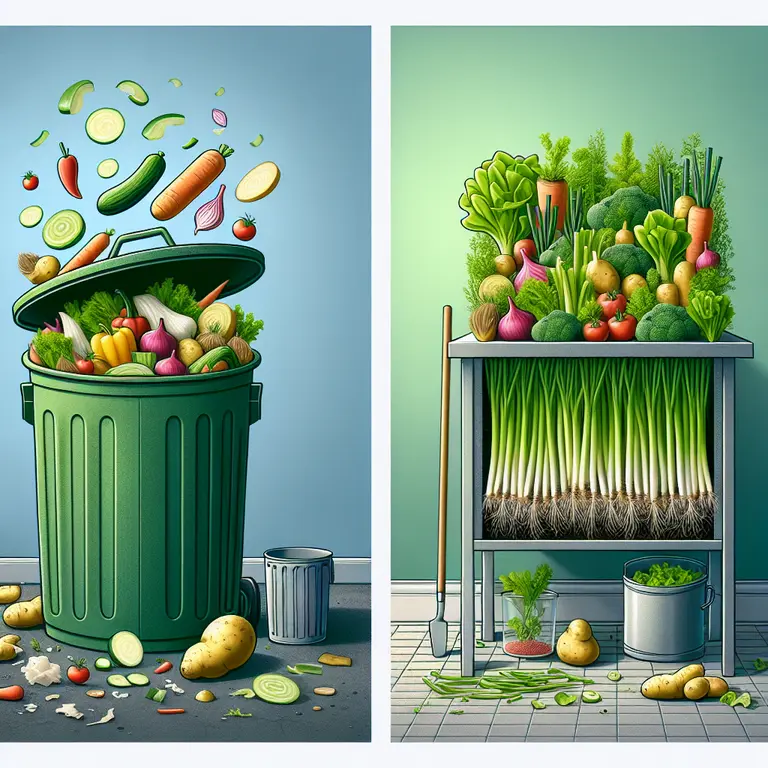
Regrowing Vegetables from Kitchen Scraps: A Complete Guide
Growing new plants from vegetable scraps is one of the simplest and most rewarding ways to reduce household waste while maintaining a steady supply of fresh produce at home. Instead of discarding the root ends of vegetables like onions, lettuce, or leeks after cooking, you can place them in water and watch new growth emerge within days. This practice is not only environmentally responsible but also surprisingly effective, offering a sustainable, economical way to enjoy fresh vegetables year-round. What was once destined for the compost bin or the trash can becomes the starting point of a thriving kitchen garden, requiring little more than a container, some water, and a sunny windowsill.
The appeal of this method extends beyond convenience. It connects people to the natural life cycles of the plants they consume, encourages mindfulness about food waste, and opens the door to a broader interest in home gardening. Whether you are a seasoned gardener looking for a low-effort project or a complete beginner curious about where your food comes from, regrowing vegetables from scraps is an accessible and genuinely fascinating place to start.
What You Need and How to Get Started
One of the greatest advantages of this gardening method is how little equipment it requires. You do not need a backyard, a greenhouse, or specialized tools. The essentials are modest: the root ends or bases of suitable vegetables such as onions, lettuce, celery, or leeks; a small glass or plastic container; fresh water; and a location that receives consistent natural light. Once the regrown plant has developed strong roots, you will also need a small pot and some basic potting soil for transplanting, but that step comes later.
To begin, save the root end or base of the vegetable after you have used the rest of it in cooking. For onions, this means the flat bottom section where the roots are visibly attached. For lettuce, celery, and leeks, it is the white or pale-green base, roughly an inch or two tall, that you would normally discard. These sections still contain the biological machinery needed to generate new growth, provided they are given the right conditions.
Once you have your scraps, fill a small container with just enough water to submerge the roots while keeping the cut top above the waterline. This balance is important. If the entire cutting sits underwater, it is likely to rot rather than regenerate. Only the root section should be in contact with the water. Place the container in a spot that receives several hours of natural light each day. South-facing windows tend to work best in the northern hemisphere, but any consistently bright location will support growth. Change the water at least once a week, or sooner if it becomes cloudy or discolored. Keeping the water fresh prevents the buildup of bacteria and mold, both of which can compromise regrowth.
Watching for Growth and Knowing When to Transplant
One of the most satisfying aspects of regrowing vegetables from scraps is how quickly results appear. Within just a few days, most vegetables will begin showing signs of new life. Onions will send up thin green shoots from the top of the root base. Lettuce and celery will start producing small, tender new leaves from the center of the cut surface. Leeks and green onions are among the fastest to respond, often producing visible green growth within 48 hours of being placed in water.
The speed and vigor of regrowth depend on several factors, including the freshness of the original vegetable, the amount of light available, and the room temperature. Warmer environments generally encourage faster growth, while dim or cold conditions can slow things down considerably. Patience is occasionally required, but the process is rarely a complete failure when the basic conditions are met.
Once the plant has developed a noticeable network of new roots and the new shoots or leaves are clearly established, it is time to move it into the soil. Transplanting at the right moment matters. If you move the cutting too early, before roots have formed, it may struggle to establish itself in the soil. If you wait too long, the plant may become overly dependent on the water environment and experience stress when transferred. A good general rule is to transplant when the roots are at least an inch long, and the new growth above the surface is clearly visible and healthy.
To transplant, fill a small pot with potting soil and create a shallow hole in the center. Place the root section into the hole and gently press the soil around it, making sure the roots are covered but the new shoots remain above the soil line. Water the pot thoroughly and place it in a sunny location. Keep the soil consistently moist but not waterlogged, as overly wet soil can cause root rot. As the plant continues to grow, you may need to graduate it to a larger pot or, if you have outdoor space, transplant it into a garden bed.
The Vegetables Best Suited for Regrowing
Not every vegetable responds equally well to this method, but a surprising number of common kitchen staples are excellent candidates. Understanding which vegetables work best, and why, helps set realistic expectations and maximizes your chances of success.
Onions are among the most reliable options. The root end, when placed in water, will reliably produce new green shoots that can be harvested and used in cooking, much like scallions or chives. If left to grow in soil, the plant can eventually develop into a full bulb, though this takes considerably more time and space.
Lettuce and other leafy greens, such as bok choy and cabbage, respond well to the water method, producing tender, flavorful inner leaves. While the regrown lettuce will not produce a full head identical to the original, the new leaves are perfectly usable in salads and sandwiches, and the process can be repeated several times before the base loses its regenerative capacity.
Leeks and green onions are perhaps the easiest and most immediately rewarding vegetables to regrow. Their root bases are robust and quick to respond, and the green tops can be trimmed repeatedly as they regrow, making them a renewable kitchen resource. Celery is another excellent candidate, with its base producing fresh inner stalks that have a mild, pleasant flavor. Even garlic can be regrown from a single clove, producing green garlic shoots that add a delicate flavor to dishes.
The Broader Benefits of Growing from Scraps
The practical benefits of regrowing vegetables extend well beyond the individual harvest. At the household level, this practice contributes meaningfully to reducing food waste, which remains one of the most significant environmental problems in modern societies. A substantial portion of the food purchased in households is discarded, often including perfectly viable root ends and vegetable bases that still retain regenerative potential. Choosing to regrow rather than discard these scraps is a small but tangible act of waste reduction.
There are financial benefits as well. While regrowing kitchen scraps will not replace a full grocery run, it does reduce the frequency with which you need to purchase certain items. Households that cook regularly with onions, green onions, lettuce, or celery can meaningfully cut down on those specific purchases over time. The cumulative savings, though modest per item, add up over months and years of consistent practice.
Beyond economics and ecology, this activity offers genuine educational value. For children, especially, watching a discarded vegetable base transform into a living, growing plant offers a tangible, memorable lesson in biology, sustainability, and the origins of food. It demystifies the relationship between what we eat and where it comes from, and it can spark a broader curiosity about gardening and natural systems.
Conclusion
Regrowing vegetables from kitchen scraps is a practice that rewards curiosity and consistency in equal measure. It asks very little of the practitioner in terms of time, money, or expertise, yet it delivers something genuinely valuable: fresh produce, reduced waste, and a closer relationship with the food on your plate. Whether you begin with a single leek base in a glass of water or gradually build a windowsill full of regenerating plants, the process is both practical and deeply satisfying. In a world where sustainability increasingly demands meaningful changes in everyday behavior, this is one small habit that is easy to adopt, easy to maintain, and well worth the effort.