
Unlock the Full Potential of Lemons by Freezing Them
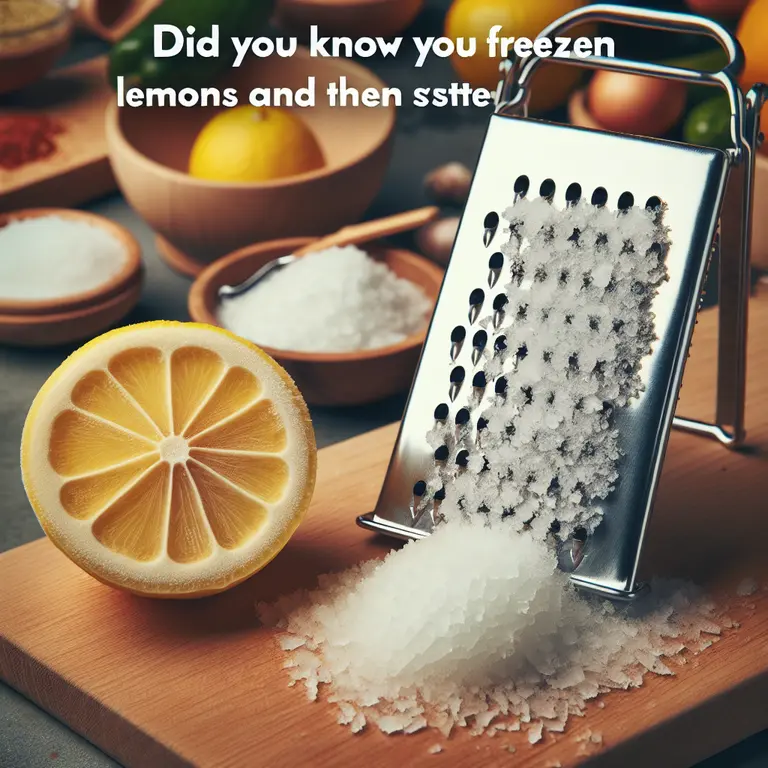
Did you know that you can freeze lemons and grate them to use in all your dishes?
Introduction
Lemons are one of the most recognizable and widely used fruits in kitchens around the world. Their sharp, bright acidity cuts through richness, lifts flat flavors, and adds a layer of complexity to both sweet and savory cooking. Yet despite their popularity, most home cooks use only a fraction of what lemons have to offer. The juice gets squeezed into a dish or a glass, and the rest of the fruit — the peel, the pith, the pulp — gets tossed in the bin without a second thought.
This is a surprisingly significant form of food waste, and it turns out, a nutritional one as well. The lemon peel, which most people discard without hesitation, contains somewhere between five and ten times more vitamins than the juice alone. It is dense with antioxidants, fiber, and essential minerals that never make it into your meals when you rely solely on bottled lemon juice or a quick squeeze over your plate.
One remarkably simple technique addresses all of this at once: freeze the whole lemon and grate it as needed. No special equipment is required, no complicated preparation is involved, and the results are immediate. This method reduces kitchen waste, maximizes the nutritional value of the fruit, and delivers a more intense, aromatic lemon flavor than juice alone ever could. It is the kind of practical, low-effort habit that quietly transforms the way you cook.
Why Freezing the Whole Lemon Makes Sense
At first glance, the idea of freezing an entire lemon and then grating it might seem unusual. Most people are accustomed to either juicing lemons fresh or buying pre-packaged zest. But the frozen whole lemon method has several genuine advantages that become clear once you try it.
The most immediately noticeable benefit is how much easier the frozen fruit is to grate. A room-temperature lemon is soft, slippery, and awkward to work with on a fine grater or zester. The peel tends to compress rather than shred cleanly, and the process can feel messy and imprecise. A frozen lemon, by contrast, is firm and solid. It moves smoothly across the grater and produces a fine, almost powdery zest that evenly distributes through whatever you are making. The texture is noticeably lighter and fluffier than conventionally grated zest, making it more readily incorporated into batters, dressings, and sauces.
Beyond the practical convenience, freezing the whole lemon means you always have one ready to use. Lemons left sitting on the counter or in the refrigerator eventually dry out or go soft. A frozen lemon keeps indefinitely, and you can grate just as much as you need and return the rest to the freezer. This on-demand availability changes how spontaneously you can reach for lemon flavor in your cooking, without needing to make a special trip to the store or worry about a half-used lemon going to waste in the back of the fridge.
The Nutritional Value Hidden in the Peel
The lemon peel has long been underestimated as a nutritional source, largely because it is so rarely consumed in Western cooking. But the science behind it is compelling. The outer rind of the lemon is where the essential oils are concentrated, giving it that intensely aromatic, almost perfumed citrus quality. These oils contain compounds like limonene, which has been studied for its potential antioxidant and anti-inflammatory properties.
The peel is also rich in flavonoids, a class of plant compounds with well-documented health benefits. Hesperidin and diosmin, two flavonoids found in citrus peel, have been associated with improved cardiovascular health and reduced inflammation. The peel contains significantly more of these compounds than the juice, which means that by discarding it, most people are leaving behind some of the most nutritionally valuable parts of the fruit.
In addition to these compounds, lemon peel is a meaningful source of dietary fiber, particularly pectin. Pectin is a soluble fiber that supports digestive health by feeding beneficial gut bacteria and helping to regulate blood sugar levels. The peel also contains measurable amounts of calcium and potassium, minerals that play important roles in bone density and heart function, respectively. Vitamin C, for which lemons are most famous, is present in the peel in concentrations that rival or exceed those found in the juice.
When you grate a frozen lemon and use the full output — peel, pith, and all — you are consuming a much more complete nutritional profile than a squeeze of juice ever provides.
How to Freeze and Grate Lemons at Home
The process itself requires almost no effort, which is part of what makes it so appealing. Begin by selecting the best lemons you can find. Organic lemons are strongly preferred for this technique because you will be consuming the peel, and conventionally grown citrus is often treated with wax coatings and pesticide residues that concentrate on the outer skin. If organic lemons are not available, scrubbing the fruit thoroughly under warm running water with a produce brush will help remove surface residues.
Once the lemons are clean and completely dry, place them directly into the freezer. There is no need to wrap them individually or take any other preparatory steps. They freeze solid within a few hours, though leaving them overnight ensures they are fully frozen through. At this point, they can remain in the freezer for months without any meaningful loss of quality.
When you are ready to use one, simply remove it from the freezer and begin grating immediately. A fine microplane grater works best, though any fine zester will do. You can grate the entire lemon — peel, pith, and pulp — into a single pile of bright, intensely flavored lemon material. The seeds can be picked out as you go, or you can avoid grating deep enough to reach them. Grate only what you need for now, then return the rest to the freezer for next time.
Culinary Uses for Grated Frozen Lemon
The range of applications for grated frozen lemon is genuinely broad, which is part of what makes this technique worth adopting. In baking, lemon zest is a classic addition to cakes, loaf breads, muffins, tarts, and shortbread cookies. The frozen grated lemon integrates smoothly into batters and doughs, distributing flavor evenly throughout rather than sitting in concentrated pockets.
In savory cooking, grated lemon works beautifully as a finishing element. Sprinkled over roasted fish or chicken just before serving, it adds a brightness that wakes up the entire dish. Stirred into pasta with olive oil and herbs, it creates a simple but sophisticated sauce. Added to roasted vegetables or grain salads, it provides the kind of acidity that makes other flavors come forward without the dish tasting overtly lemony.
Grated frozen lemon is also an excellent addition to beverages. Stirred into a smoothie, it adds complexity without the sharpness of straight juice. Mixed into iced tea or sparkling water, it creates a more aromatic and flavorful drink than a slice of lemon on the rim ever achieves. In cocktails, it can replace or supplement traditional zest garnishes with something more evenly distributed and texturally interesting.
Even as a simple garnish, a light dusting of grated frozen lemon over a bowl of soup, a plate of hummus, or a piece of grilled salmon adds visual appeal and a subtle citrus note that elevates the presentation without overwhelming the dish.
An Eco-Friendly and Economical Kitchen Habit
Beyond the personal benefits of better flavor and improved nutrition, freezing and grating whole lemons is a genuinely sustainable kitchen practice. Food waste is a significant environmental issue, and citrus peels make up a substantial portion of what gets discarded in the average kitchen. Using the whole fruit addresses this directly and meaningfully.
From an economic standpoint, the savings are real as well. Pre-packaged lemon zest, lemon extract, and bottled lemon juice are all considerably more expensive per unit of flavor than a fresh whole lemon. By extracting maximum value from each piece of fruit, you reduce the need to buy these processed alternatives. You also reduce the packaging waste associated with those products, which is a small but genuine contribution to a less wasteful household.
Conclusion
Freezing and grating whole lemons is one of those rare kitchen techniques that is simultaneously simple, practical, nutritionally sound, and environmentally responsible. It requires no special tools, no significant time investment, and no change to your existing shopping habits. What it does require is a small shift in perspective — from seeing the lemon as a source of juice to recognizing it as a whole ingredient with layers of flavor, nutrition, and culinary potential that extend far beyond what a squeeze can offer.
Once you start keeping frozen lemons in your freezer and reaching for the grater instead of the juicer, it becomes difficult to go back. The flavor is more vivid, the nutrition is more complete, and the satisfaction of using every part of the fruit rather than discarding most of it adds a quiet but genuine sense of doing things right. It is a small habit with a surprisingly large impact on the quality and sustainability of your cooking.