The Evolution of Bread: Originated 14, 000 Years Ago
Bread, a staple in modern diets, originated around 14,000 years ago, predating agriculture and showcasing early human culinary ingenuity.

Discover strange, surprising, and little-known facts from science, history, nature, and beyond.
 Food
FoodBread, a staple in modern diets, originated around 14,000 years ago, predating agriculture and showcasing early human culinary ingenuity.
 Food
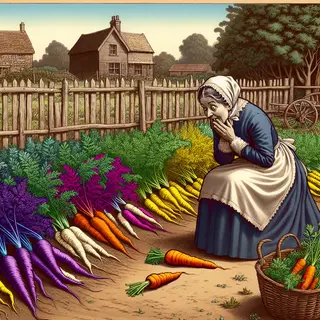
FoodThe familiar orange carrot that we know today was not always the standard color for this vegetable.
 Food
FoodThe invention of cheese is often attributed to ancient nomads who accidentally discovered it while transporting milk.
 Food
FoodThe sandwich as we know it today was popularized by an 18th-century English nobleman who wanted to eat without leaving his gambling table.
 Food
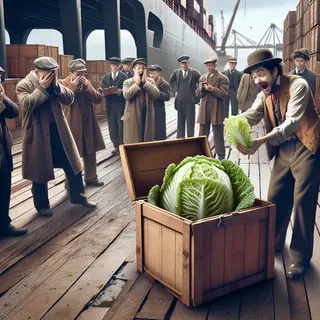
FoodIceberg lettuce, common in salads today, was discovered by accident during the shipping process in the early 20th century.
 Food
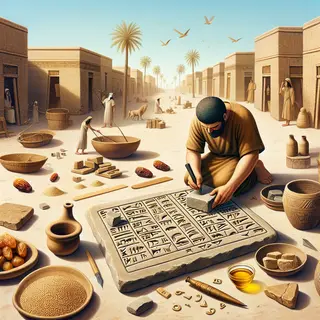
FoodThe oldest known recipe, written in cuneiform script, is from around 1750 BCE in ancient Babylon.
 Food
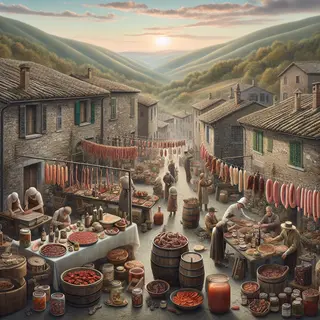
FoodDiscover the unique food preservation technique that has been passed down for generations in a remote Italian village.
 Food
FoodIn the Faroe Islands, an old tradition involves brewing tea using seabirds like puffins, showcasing a unique culinary custom.
 Food
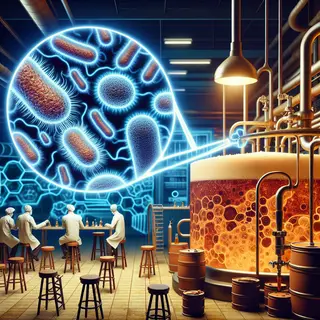
FoodDiscover the lesser-known symbiotic relationship between certain bacterial strains and chocolate beer production.
 Food
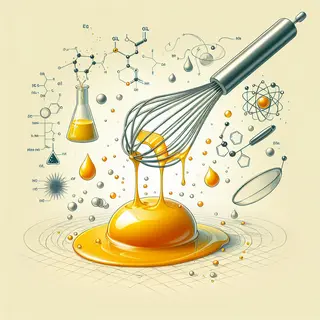
FoodMayonnaise emulsification reveals intriguing thermodynamic principles surprisingly complex for a common condiment.
 Food
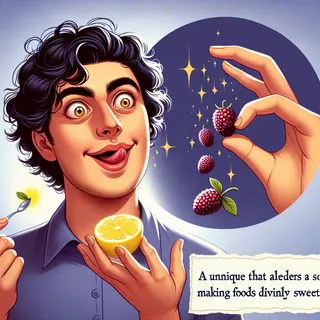
FoodA berry that changes your taste perception, making sour foods taste sweet.
 Food
FoodThe Fortune Cookie, despite its deep association with Chinese culture in the West, was actually invented in Japan and popularized by immigrants in America.
 Food
FoodBubblegum flavor doesn't mimic any natural flavors but was created to have a unique, lasting taste.
 Food
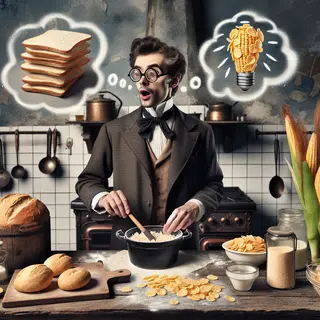
FoodJohn Harvey Kellogg, a doctor who ran a sanitarium in Michigan, accidentally invented Corn Flakes when trying to prepare bread dough.
 Food
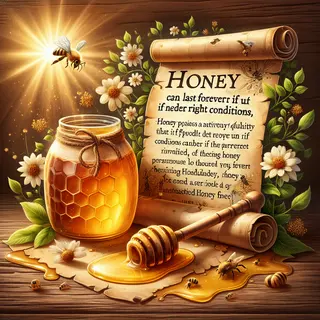
FoodHoney's eternal shelf life is due to its low moisture and acidic pH, with ancient pots over 3,000 years old still edible when properly stored.
 Food
FoodOne might never associate the sweet delight, chocolate with fire hazards. Strangely enough, powdered chocolate is highly combustible under certain conditions.
 Food
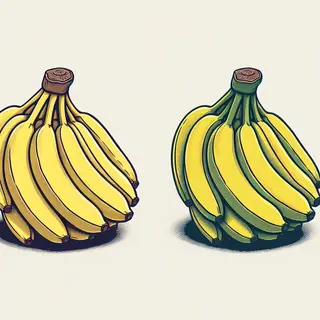
FoodBananas, a globally beloved fruit, ripen at the same rate whether kept in a bunch or separated, debunking the myth that they ripen faster when together.
 Food
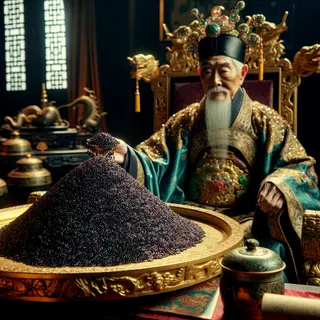
FoodForbidden Rice, an ancient grain rich in antioxidants and anti-inflammatory properties, was reserved for Chinese emperors for its health benefits and longevity.
 Food
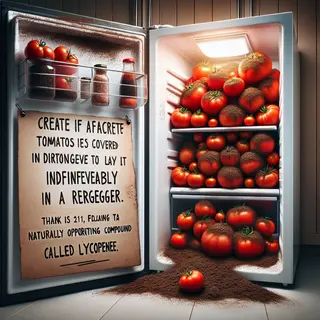
FoodDirty tomatoes, when refrigerated, can live for an indefinite period; it's due to the naturally occurring compound called Lycopene.
 Food
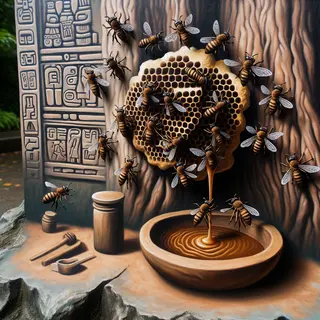
FoodStingless bees, native to Central and South America, produce honey that the ancient Mayas called 'food of the gods.' Distinguished by its superior medicinal properties compared to regular honey, it is lesser-known due to its rarity and production challenges.
 Food
FoodPopsicles, a favorite summer treat for many, were accidentally invented by an 11-year-old boy named Frank Epperson in 1905.
 Food
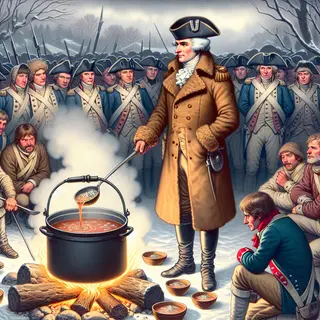
FoodDuring the Revolutionary War, a culinary concoction known as Pepper Pot soup played a key role in boosting the morale of George Washington's starving and freezing troops.
 Food
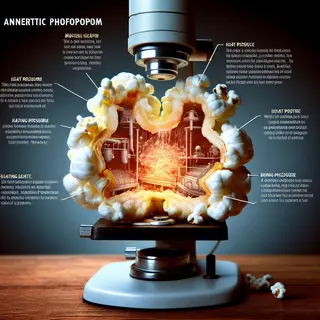
FoodPopcorn kernels have a built-in 'explosion' mechanism that enables them to pop under heat.
 Food
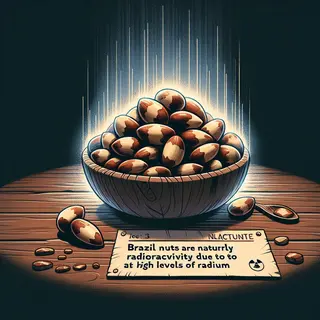
FoodBrazil nuts are the most naturally radioactive food due to their high levels of radium.
No spam. Just strange, useful, and fascinating knowledge.
We only use your email for site updates.