
Revitalize Your Sneakers with This Simple Toothpaste Trick
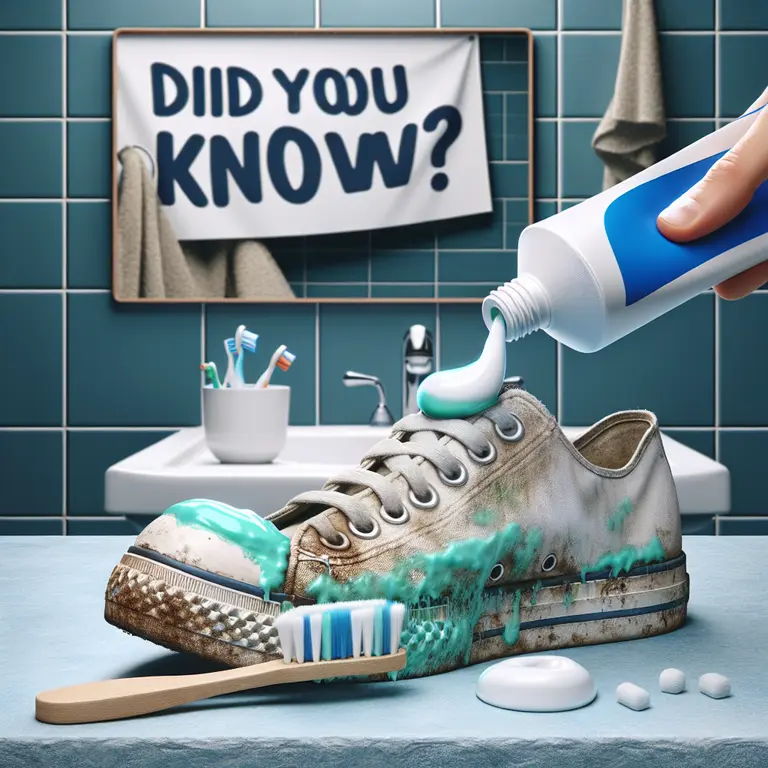
Toothpaste can be used to clean and whiten the dirty soles of sneakers.
Introduction
Keeping sneakers looking clean and pristine can be surprisingly difficult, especially if you favor white or light-colored styles. Over time, dirt, grime, and scuff marks accumulate on the soles and surfaces, gradually transforming a fresh pair of shoes into something that looks tired and neglected. The natural instinct might be to reach for a specialized sneaker-cleaning product, and there is certainly no shortage of them on the market. However, one of the most effective and accessible cleaning solutions might already be sitting on your bathroom shelf: toothpaste.
This might sound like an unusual suggestion, but toothpaste has been quietly serving as a household cleaning agent for decades. Its chemistry is surprisingly well-suited to lifting dirt from rubber and fabric surfaces. With a little patience, an old toothbrush, and a tube of the right kind of toothpaste, you can restore your sneakers to a noticeably cleaner and fresher state without spending a single dollar on specialized products. This guide will walk you through exactly why this method works, how to do it properly, what results you can realistically expect, and how to maintain your sneakers over the long term.
Why Toothpaste Works as a Cleaning Agent
To understand why toothpaste is effective on sneakers, it helps to understand what toothpaste is actually made of. Beyond the mint flavoring and fluoride most people associate with toothpaste, it also contains a category of ingredients known as mild abrasives. Common examples include hydrated silica, calcium carbonate, and baking soda. These microscopic particles are designed to gently scrub the surface of tooth enamel without causing damage, and that same gentle abrasive action translates remarkably well to cleaning rubber soles and canvas or synthetic uppers.
When you apply toothpaste to a dirty sneaker sole and work it in with a brush, the abrasive particles physically dislodge dirt, dust, and grime that have become embedded in the material's surface texture. At the same time, many toothpaste formulas contain surfactants, which are cleansing agents that help break down oils and lift stains away from surfaces. This combination of mechanical scrubbing and chemical lifting is what makes toothpaste more than just a novelty cleaning hack.
It is important to note that not all toothpastes perform equally in this context. White, non-gel toothpaste is the most effective option because it contains the highest concentration of abrasive compounds. Gel toothpastes tend to have a different formulation that prioritizes aesthetics and texture over cleaning strength, meaning they lack the grit needed to scrub away stubborn dirt. Colored toothpastes, on the other hand, carry an obvious risk of staining light-colored materials. Sticking with a plain, white, non-gel formula is the safest and most effective choice for this purpose.
Another advantage worth noting is that toothpaste is non-toxic and gentle enough to use on materials that might be damaged by harsher chemical cleaners. Many commercial sneaker-cleaning products contain solvents or bleaching agents that can degrade adhesives, discolor fabrics, or compromise the structural integrity of the shoe over time. Toothpaste carries none of these risks when used correctly, making it a genuinely sensible alternative for regular maintenance cleaning.
Step-by-Step Guide to Cleaning Your Sneakers
Before you begin, gather the items you will need. These include a tube of white, non-gel toothpaste, an old toothbrush or a soft-bristled scrubbing brush, a dry cloth or paper towels, a damp cloth or sponge, clean water for rinsing, and optionally a small amount of baking soda for added cleaning power on particularly stubborn stains.
Start by removing any loose dirt or debris from the sneakers' surfaces. You can do this by tapping the soles together over a trash can or using a dry brush to sweep away surface-level dust and mud. This step is important because scrubbing loose dirt into the material can make the cleaning process harder and less effective.
Once the surface is prepped, apply a small but generous amount of toothpaste directly to the areas that need the most attention. For soles with heavy grime buildup, you may want to cover a broader area. If you are dealing with particularly stubborn staining, mix a small amount of baking soda into the toothpaste before applying it. Baking soda is itself a mild abrasive and a natural deodorizer, and combining it with toothpaste creates a slightly more powerful cleaning paste.
Using your old toothbrush, scrub the toothpaste into the dirty areas with small circular motions. Apply moderate pressure and work methodically across the surface rather than scrubbing randomly. Circular motion helps abrasive particles reach into the grooves and textured patterns of the sole, where dirt tends to accumulate most. For canvas or fabric uppers, use a lighter touch to avoid fraying or damaging the material.
Spend extra time on any spots that show discoloration or deep staining. Apply a little additional toothpaste if needed and continue working the brush over those areas until you notice the stain beginning to fade. Do not rush this stage. Spending two to three minutes on a particularly stubborn area will produce far better results than a quick, impatient scrub.
Once you are satisfied with the scrubbing, use a damp cloth or sponge to wipe away the toothpaste residue. Work carefully to remove all traces of the paste, as dried toothpaste can leave a white, chalky film on the surface if not fully cleaned off. Rinse your cloth regularly in clean water as you wipe to avoid spreading the residue around. Finish by patting the cleaned areas dry with a clean cloth or paper towel, then allow the shoes to air dry fully before wearing them.
What to Expect and How to Enhance the Results
It is worth setting realistic expectations before you begin. Toothpaste cleaning is highly effective for everyday grime, surface scuffs, and moderate discoloration, particularly on rubber soles. However, it is unlikely to fully reverse deep yellowing that has developed over years of wear and UV exposure, nor will it remove stains that have permanently bonded with the material. For such issues, more intensive treatments or professional cleaning may be necessary.
That said, the improvement you will see after a thorough toothpaste cleaning can be genuinely impressive. White rubber soles that looked gray and grimy often emerge noticeably brighter and cleaner. Canvas uppers that had accumulated a layer of surface dirt can look refreshed and more vibrant. For regular maintenance, cleaning your sneakers with toothpaste every few weeks can prevent the kind of deep buildup that becomes much harder to address over time.
To further enhance your results, consider following the toothpaste treatment with a gentle rinse using mild soap and warm water. This helps remove any remaining residue and gives the entire shoe a more thorough clean. You can also apply a sneaker protector spray after the shoes have dried completely. These sprays create a water-resistant barrier on the surface of the material that helps repel future dirt and moisture, extending the time between cleanings.
The Cost-Effective and Eco-Friendly Case for This Method
One of the most compelling arguments for the toothpaste cleaning method is its cost. A tube of basic white toothpaste costs very little, and most households already have one. An old toothbrush destined for the recycling bin is all the additional equipment you need. Compare this to the range of specialized sneaker cleaning kits available on the market, some of which carry significant price tags for what amounts to a brush, a small bottle of cleaning solution, and a microfiber cloth.
Beyond the financial savings, there is also an environmental argument to be made. Specialized cleaning products often come in single-use plastic packaging and contain chemical compounds that can have negative effects when they enter water systems. By repurposing a product you already own and using it in a new way, you reduce consumption and waste without sacrificing results.
This method also fits naturally into a broader philosophy of sustainable household management, where creativity and resourcefulness replace the constant purchase of new, specialized products. In a consumer culture that frequently encourages buying purpose-built solutions for every minor problem, the toothpaste cleaning trick serves as a useful reminder that simple, accessible materials are often more than adequate for the task at hand.
Conclusion
Cleaning sneakers with toothpaste is a practical, affordable, and surprisingly effective method that deserves a place in any shoe care routine. While it may not work miracles on deeply damaged or heavily yellowed footwear, it performs exceptionally well as a regular maintenance tool, keeping soles bright and surfaces clean with minimal effort and expense. The science behind it is sound, the process is straightforward, and the materials required are already in most homes. With just a little time and elbow grease, you can keep your sneakers looking their best without ever needing to invest in a single specialized cleaning product.