
Exploring Neural Dust: Transforming the Bioelectronics Field
Explore the cutting-edge concept of neural dust, a novel form of bioelectronic implant that promises to revolutionize medicine by enabling real-time brain and body monitoring.
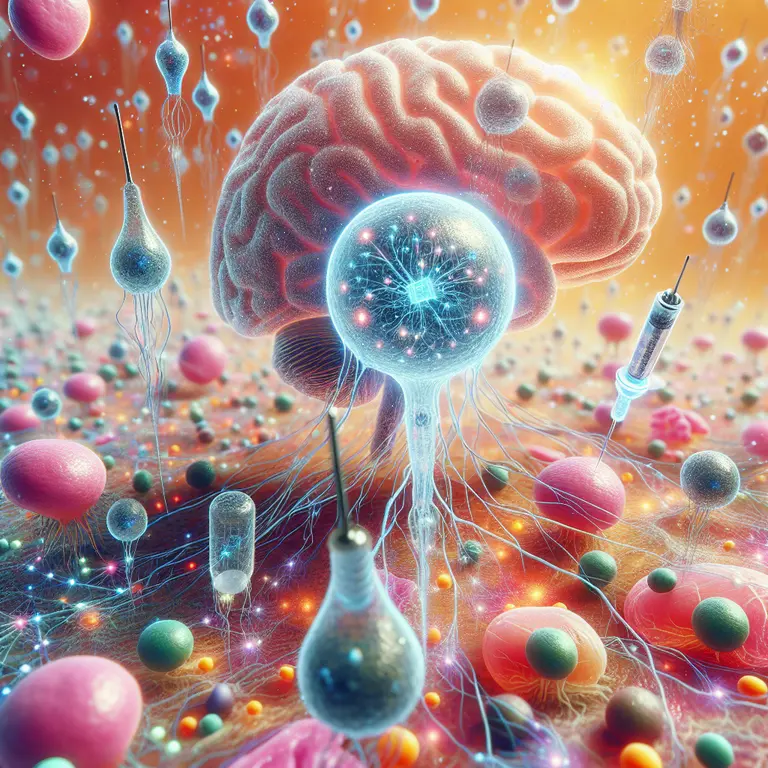
 Watch on YouTube
 Watch on Rumble
Neural Dust: The Microscopic Revolution Redefining Medicine and the Human Body
Imagine a sensor smaller than a grain of rice, embedded silently within your nervous system, transmitting real-time biological data without a single wire, battery, or surgical scar. This is not science fiction. Neural dust is a class of miniaturized wireless sensors designed to be implanted directly into biological tissues and capable of monitoring nerve activity, organ function, and biochemical signals deep within the body. In the rapidly evolving landscape of emerging technologies, neural dust stands out as one of the most genuinely transformative innovations of the 21st century. Its development sits at the intersection of neuroscience, materials engineering, and biomedical technology, and its implications extend far beyond the clinic. Understanding what neural dust is, how it works, and where it might take us requires a careful look at both its remarkable promise and the significant obstacles that still stand between concept and clinical reality.
Origins and Development
The concept of neural dust did not emerge overnight. It grew from decades of frustration within the biomedical engineering community over the limitations of traditional neural implants. Conventional electrodes and probes used to interface with the nervous system have historically been made from metal or rigid silicon. While effective in the short term, these materials tend to cause chronic inflammation, scarring, and signal degradation over time. The mechanical mismatch between a stiff metal probe and the soft, dynamic tissue of the brain or peripheral nerves causes ongoing damage, limiting the lifespan of such devices. Researchers recognized that a fundamentally different approach was needed.
The term neural dust was coined and developed most prominently by a team at the University of California, Berkeley, led by Michel Maharbiz and Jose Carmena, with a landmark paper published in 2016 in the journal Neuron. Their work demonstrated that tiny piezoelectric sensors, each measuring approximately one cubic millimeter, could be implanted into peripheral nerves and used to record electrical activity. Piezoelectric materials have the useful property of converting mechanical pressure into electrical signals and vice versa, which proved essential to the entire operational concept. The devices were small enough to sit beside individual nerve fibers without causing the aggressive immune response associated with larger implants. This represented a genuine departure from previous thinking about how biological interfaces could be constructed and sustained over time.
Functionality and Power Source
One of the most elegant and counterintuitive aspects of neural dust is how it is powered. Unlike pacemakers, cochlear implants, or deep brain stimulators, neural dust requires no internal battery. Instead, the sensors are powered externally through ultrasound waves directed into the body from a transceiver worn on the skin surface. Ultrasound, the same technology used in prenatal imaging and cardiac diagnostics, passes safely through biological tissue and can deliver enough mechanical energy to activate the piezoelectric elements within each dust particle. Those elements then convert the mechanical vibration into the small amounts of electrical energy needed to record local nerve signals. The recorded data modulates the reflected ultrasound waves, which are then picked up by the external transceiver and decoded.
This ultrasound-based power and communication system offers several advantages over radio frequency or Bluetooth-based alternatives. Ultrasound attenuates far less than radio waves as it travels through tissue, making it more effective for deep implants. It also does not generate the same electromagnetic interference concerns as radio frequency devices, and it avoids the tissue-heating risks that can accompany some wireless power transfer methods. Eliminating batteries also removes one of the most significant constraints on implant longevity. Batteries degrade, leak, and require replacement, each of which necessitates additional surgery. Neural dust particles, by contrast, have no consumable components and could theoretically remain functional for years or even decades, provided the surrounding tissue remains stable, and the external transceiver is used as needed.
Medical Applications and Therapeutic Potential
The range of potential medical applications for neural dust spans multiple specialties. One of the most immediately compelling is continuous physiological monitoring for chronic disease management. Consider diabetes, a condition that affects hundreds of millions of people globally and requires constant vigilance over blood glucose levels. Current monitoring technologies, including continuous glucose monitors that sit just beneath the skin, measure glucose in interstitial fluid rather than directly in the bloodstream, introducing a lag and a margin of error that can matter enormously in acute situations. Neural dust sensors placed deeper within tissues or near relevant metabolic sites could provide more direct, accurate measurements, triggering alerts before levels reach dangerous thresholds rather than after.
Beyond metabolic monitoring, neural dust has substantial implications for the field of neuroprosthetics. Prosthetic limbs have advanced considerably in recent years, but the quality of control available to most users remains limited by the resolution and reliability of the signals they can read from the residual nervous system. Neural dust could allow for far more precise and stable recordings from peripheral motor nerves, translating the user’s intended movements into prosthetic actions with greater fidelity. Equally important, sensory feedback from the prosthetic could be returned to the nervous system via targeted stimulation, creating a bidirectional interface that more closely mimics the natural limb experience.
For neurological conditions such as epilepsy, Parkinson’s disease, and treatment-resistant depression, neural dust opens the possibility of closed-loop therapeutic systems. A closed-loop system is one that monitors biological signals in real time and automatically delivers a therapeutic response when a predefined pattern is detected. In epilepsy, for instance, a network of neural dust particles could detect the early electrical signatures of a seizure and trigger localized neural stimulation to interrupt it before it generalizes. This kind of responsive, personalized intervention would represent a major advance over current deep-brain stimulation systems, which typically deliver continuous stimulation at fixed parameters regardless of what the brain is actually doing at any given moment.
Challenges and Considerations
Despite its considerable promise, neural dust faces challenges that are neither trivial nor easily dismissed. The most fundamental is biocompatibility. The human immune system is extraordinarily sensitive to foreign materials, and even the smallest implant can provoke an inflammatory response that encapsulates the device in scar tissue, degrading its ability to record or stimulate. Researchers are investigating a range of surface coatings and material formulations designed to make neural dust particles appear less threatening to the immune system, including hydrogel coatings that mimic the mechanical properties of soft tissue and drug-eluting surfaces that locally suppress inflammation. Progress has been made, but achieving truly long-term stability in a living biological environment remains an open problem.
Data transmission presents another layer of complexity. While ultrasound is an effective medium for powering neural dust and retrieving basic signals, the bandwidth available through this channel is limited compared to what would be needed for high-density neural recording across many particles simultaneously. Reading a single sensor is manageable, but a meaningful brain-computer interface or comprehensive organ monitoring system would require interrogating dozens or hundreds of particles in parallel, each potentially producing continuous data streams. The signal processing infrastructure required to manage this, both in terms of the external transceiver hardware and the algorithms needed to decode overlapping ultrasound echoes, is a significant engineering challenge that current systems have only partially addressed.
Regulatory and ethical considerations also deserve attention. Neural dust that records continuous data from the nervous system raises genuine questions about privacy, consent, and the potential for misuse. Who owns the neural data generated by an implanted sensor? How is it stored, transmitted, and protected? Could such technology eventually be used in contexts beyond healthcare, and if so, under what governance frameworks? These are not hypothetical concerns but practical questions that regulatory bodies, ethicists, and technology developers will need to address alongside the science itself.
Applications Beyond Healthcare
Neural dust’s underlying principles are not confined to the human body. The same combination of miniaturization, wireless power, and environmental sensing that makes neural dust useful in medicine could be adapted for a range of non-biological applications. In environmental science, distributed networks of tiny sensors could monitor soil chemistry, water quality, or atmospheric conditions in remote ecosystems with a level of spatial resolution that current monitoring infrastructure cannot achieve. In industrial settings, similar devices could be embedded within materials or machinery to provide continuous structural health monitoring, detecting micro-fractures, temperature gradients, or chemical changes before they escalate into failures.
The conceptual framework of neural dust, placing sensing intelligence directly at the point of interest rather than relying on external or centralized measurement, represents a broader shift in how we think about data collection across many domains. As fabrication technologies continue to shrink and power harvesting methods become more efficient, the boundary between biological and environmental sensing may become increasingly permeable.
Conclusion
Neural dust is more than a clever engineering achievement. It represents a fundamental rethinking of how technology can coexist with living systems. By making implants smaller, softer, battery-free, and potentially permanent, it addresses many of the core limitations that have constrained biomedical devices for generations. The applications already on the horizon, from continuous disease monitoring and advanced neuroprosthetics to closed-loop neurological therapies, suggest a future in which the management of illness becomes more precise, more responsive, and less disruptive to daily life. The challenges of biocompatibility, signal processing, and ethical governance are real and must be taken seriously, but they are the kinds of challenges that focused, interdisciplinary research is well equipped to address over time. Neural dust does not promise to solve every problem in medicine, but it opens a class of solutions that was simply not available before, and that alone makes it one of the more consequential developments in the current era of biomedical innovation.
References: Bouton CE et al. (2016). “Restoring cortical control of functional movement.” Nature. Mickle AD et al. (2019). “Neural interface technology: recent advances and perspectives.” Journal of Neuroscience Research. Seo D et al., (2016). “Wireless recording in the peripheral nervous system with ultrasonic neural dust.” Neuron.