
The Ingenious Aztec Floating Gardens of Xochimilco Explained
Discover the ancient and innovative agricultural technique utilized by the Aztecs in the floating gardens of Xochimilco.
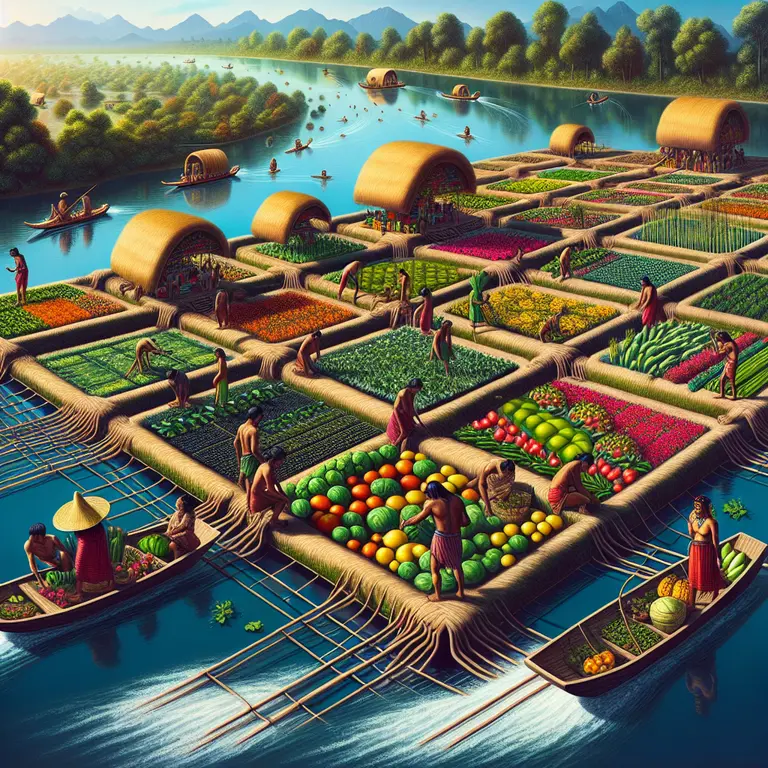
In the highlands of modern-day Mexico City lies a vast network of canals, remnants of what was once one of pre-Columbian America’s most impressive agricultural feats. These are the chinampas, also known as the floating gardens of Xochimilco. These ingenious creations are a testament to the advanced agricultural knowledge of the Aztecs, but also a symbol of sustainable farming practices that have endured for centuries. Built upon shallow lake beds, these remarkable agricultural platforms represent one of humanity’s most creative adaptations to challenging environments, transforming what might have been uninhabitable wetlands into one of the most productive agricultural systems ever devised.
Origins and Construction
The chinampa system dates back to around 800 CE, when various Mesoamerican cultures began to flourish in the Valley of Mexico. However, during the height of the Aztec Empire in the 14th century, these floating gardens reached their pinnacle in terms of complexity and productivity.
Chinampas were built by excavating mud from lakebeds to create rectangular plots surrounded by canals—the dredged-up soil formed elevated fields where various crops were planted. Additionally, trees such as willows were often planted at intervals along these plots to help stabilize them and prevent erosion.
The construction process was remarkably sophisticated. First, Aztec farmers would stake out rectangular areas in the shallow lake by driving wooden poles into the lakebed. They would then weave reeds and branches between these stakes to create a fence-like structure. Inside this enclosed area, they layered alternating materials, including lake mud, decaying vegetation, and additional soil, until the platform rose above the water level. The decomposing plant matter created a nutrient-rich growing medium.
Contrary to popular belief, chinampas weren’t truly “floating” but instead were anchored to the lakebed. The willow trees planted around the perimeter served multiple purposes—their extensive root systems helped hold the soil in place, prevented erosion during rainy seasons, and provided natural boundaries between plots. Over time, these roots would intertwine with the chinampa structure, further reinforcing its stability and longevity.
A Sustainable Agricultural System
One reason Chinampas were so highly effective is their efficient use of space and resources. The soil dredged from lakes was rich in nutrients, ensuring lush growth and reducing dependency on artificial fertilizers. Furthermore, water from surrounding canals provided a constant source for irrigation through capillary action.
This method dramatically increased agricultural yields, allowing numerous crops to be cultivated throughout multiple growing seasons each year. The principal produce included maize (corn), beans, squash, tomatoes, peppers, and various herbs—essential staples in Mesoamerican diets both then and now.
The chinampa system embodied principles of sustainable agriculture that modern farmers are only now rediscovering. The canals surrounding each plot served as natural irrigation channels, with water seeping through the soil via capillary action to hydrate crops without additional human effort. During dry periods, farmers could easily scoop water from the canals to manually irrigate their plots.
Perhaps most impressive was the Aztecs’ sophisticated understanding of soil fertility management. The canal bottoms accumulated nutrient-rich sediment, which farmers would periodically dredge and apply to their chinampas. They also collected aquatic plants and algae to use as green manure, and human waste from Tenochtitlan was transported to the chinampas as fertilizer—an early example of urban waste recycling for agricultural benefit.
This agricultural intensity allowed the chinampas to achieve remarkable productivity. Historical records suggest yields were sufficient to feed up to 180,000 people from just the chinampas of Lake Xochimilco. Some researchers estimate that chinampa agriculture could produce up to 4 crop cycles annually, vastly outperforming conventional farming methods of the time.
Ecological and Cultural Significance
Beyond their agricultural importance, chinampas created a unique ecosystem that supported tremendous biodiversity. The canal network provided habitat for fish, amphibians, and aquatic plants, while the farming plots attracted birds and insects. This biodiversity enhanced the system's resilience, with many organisms serving as natural pest controllers.
The chinampas were not merely agricultural spaces but represented a sophisticated integration of urban planning, transportation, and food production. The canals between chinampas served as waterways for canoe traffic, efficiently connecting the agricultural zones with urban markets. This aquatic transportation system enabled the Aztec capital of Tenochtitlán to grow into one of the world’s largest cities of its time, with an estimated population of 200,000 to 300,000 people.
The chinampa system also reflected Aztec cosmology and spiritual beliefs. The rectangular plots mirrored their conception of the universe, with four directions and a center. Many religious ceremonies were conducted in relation to agricultural cycles, with specific rituals performed to ensure bountiful harvests. These cultural dimensions demonstrate how the chinampas were not just technological achievements but expressions of a holistic worldview that integrated practical needs with spiritual meaning.
Xochimilco Today
Today’s Xochimilco is an enduring link to this remarkable ancient practice, having served as a UNESCO World Heritage Site since 1987. While urbanization has diminished much of its extent over time with challenges like pollution affecting its conservation status—the spirit endures via efforts amongst local communities trying hard to preserve their unique cultural heritage alongside modern environmental awareness campaigns advocating ecological revival projects along these historic waterways.
Modern Xochimilco occupies only about 10% of its original pre-Hispanic extent. Mexico City’s explosive growth throughout the 20th century led to the extensive drainage of the lake system, groundwater extraction, and urban development that threatened the existence of the chinampas. Today, approximately 2,200 hectares of chinampas remain, though many have been converted to other uses or abandoned.
Despite these challenges, several hundred traditional chinampa farmers continue to cultivate these plots using methods that have been passed down through generations. Known as chinamperos, these farmers face difficulties, including water pollution, invasive species such as water hyacinth, and competition from industrial agriculture. Nevertheless, there’s growing recognition of the chinampas’ value, both as cultural heritage and as a model for sustainable urban agriculture.
Tourists visiting Xochimilco today can experience the canals via colorful trajineras (flat-bottomed boats) that navigate the waterways. This tourism provides economic support for local communities but also creates challenges for conservation. Balancing tourism with preservation remains a persistent challenge.
Lessons for Modern Agriculture
As humanity faces challenges of climate change, water scarcity, and food security, the ancient chinampa system offers valuable lessons. Its efficient water use, soil fertility management, and integration with local ecosystems represent principles increasingly relevant to sustainable agriculture. Recent projects have sought to revive and adapt chinampa techniques for contemporary urban farming, recognizing their potential for producing food with minimal external inputs.
The chinampas remind us that some of our most “innovative” agricultural solutions may in fact be rediscoveries of indigenous knowledge systems developed over centuries of careful observation and adaptation. As we seek more sustainable ways to feed growing urban populations, these floating gardens of Xochimilco stand as a testament to human ingenuity and our capacity to work in harmony with natural systems rather than against them.